 Save to Pinterest
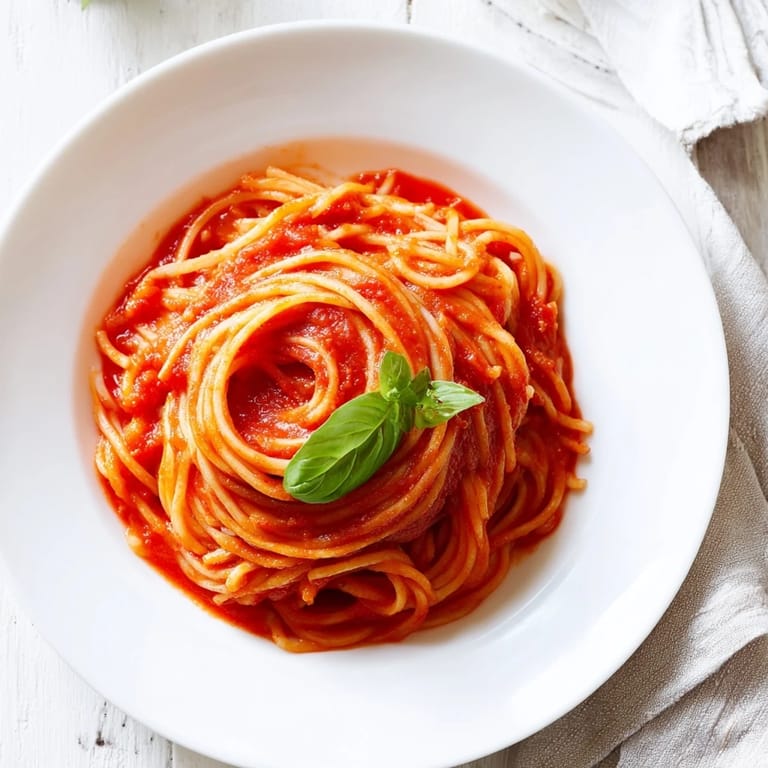
 My sister called one Wednesday evening, frantic because her picky eater had rejected yet another plate of plain pasta. I remembered standing in her kitchen, stirring a pot of tomatoes while she confessed she'd been buying jarred sauce for months just to avoid the vegetable battle at dinner. That conversation stuck with me, and I started experimenting with ways to make vegetables disappear into something delicious. This sauce became my secret weapon—rich, deeply tomatoey, and packed with carrots, zucchini, and spinach that dissolve into the sauce like they were never there.
I made this for my neighbor Sarah after her baby was born, and watching her eat it while holding her newborn made me realize this sauce was about more than tricking people into eating vegetables. It was about giving someone a meal that tasted like care, that felt homemade without requiring her to actually make anything. She texted me the next day asking for the recipe, and I knew I'd stumbled onto something special.
Ingredients
- Carrots: Two medium ones, peeled and chopped—they're the backbone of natural sweetness that balances the tomato's acidity, so don't skip them.
- Zucchini: One medium zucchini, chopped—it adds moisture and melts into the sauce completely, making it silky without needing cream.
- Fresh spinach: Two cups, washed and roughly chopped—use whatever you have on hand, even frozen spinach works, just thaw and squeeze out excess water first.
- Onion: One medium onion, chopped—this is your flavor foundation, so don't rush it when cooking.
- Garlic: Two cloves, minced—fresh garlic makes all the difference; jarred won't give you the same punch.
- Olive oil: Two tablespoons—good quality here means better flavor, since it's tasting directly in the sauce.
- Crushed tomatoes: One can at 28 oz, about 800 grams—San Marzano if you can find it, but any brand works as long as it's not overly salted.
- Tomato paste: Two tablespoons—this concentrate deepens the flavor and makes the sauce feel restaurant-quality.
- Dried oregano: One teaspoon—dried herbs are stronger than fresh here, so measure carefully.
- Dried basil: One teaspoon—it rounds out the Italian flavor profile beautifully.
- Salt: Half a teaspoon, or to taste—you'll adjust this at the end anyway, so don't oversalt early.
- Black pepper: A quarter teaspoon—just enough to add complexity without heat.
- Sugar: Half a teaspoon, optional—this is your emergency button if the sauce tastes too sharp or acidic.
- Parmesan cheese: A quarter cup grated, optional—stir it in after blending for creaminess and umami depth.
- Fresh basil: A handful for garnish—it brightens everything up at the very end.
Tired of Takeout? 🥡
Get 10 meals you can make faster than delivery arrives. Seriously.
One email. No spam. Unsubscribe anytime.
Instructions
- Heat your oil and build the base:
- Pour two tablespoons of olive oil into a large saucepan over medium heat. Once it's shimmering, add your chopped onion and garlic, stirring for about three minutes until they soften and smell absolutely incredible—that's your cue they're ready.
- Add the sturdy vegetables:
- Toss in your chopped carrots and zucchini, stirring occasionally as they cook for five to seven minutes. You're looking for them to start softening at the edges, not fully tender yet.
- Wilt in the spinach:
- Add your chopped spinach and stir for about two minutes until it collapses into the pot and turns a darker green. Don't worry if it looks like there's too much spinach—it reduces dramatically.
- Combine the tomatoes:
- Pour in your crushed tomatoes and two tablespoons of tomato paste, stirring everything together until no paste streaks remain. This is the moment the sauce really comes alive.
- Season and simmer:
- Sprinkle in your oregano, basil, salt, pepper, and that optional half teaspoon of sugar if you think you'll need it. Bring everything to a gentle simmer, then cover and let it bubble quietly on low heat for about twenty minutes, stirring occasionally so nothing sticks to the bottom.
- Puree into silkiness:
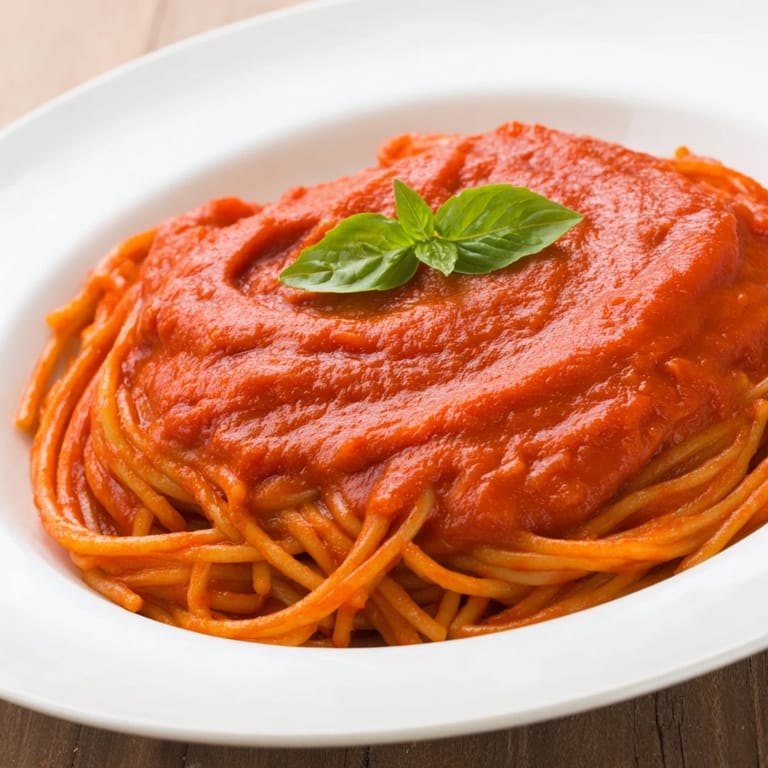
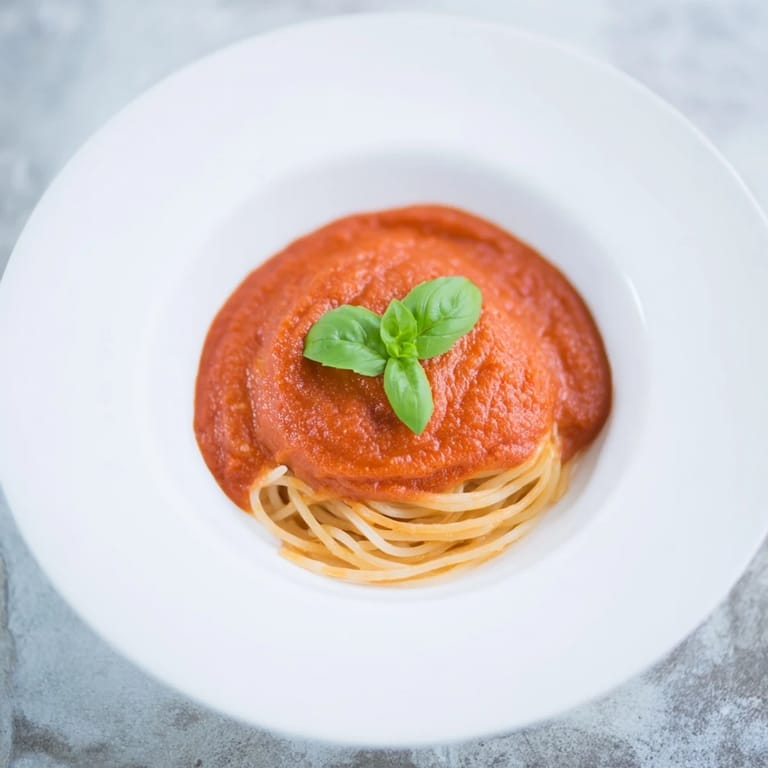
- Let the sauce cool slightly, then use an immersion blender to puree it until completely smooth—you want no vegetable chunks visible. If you don't have an immersion blender, carefully transfer it to a regular blender in batches, let it cool between batches, and work slowly so nothing splashes.
- Final touches and serving:
- Return the sauce to the heat if it cooled too much, taste it and adjust your salt and pepper as needed. Stir in a quarter cup of grated Parmesan if using, then serve it hot over your favorite pasta and garnish with fresh basil.
 Save to Pinterest
 There's something magical about serving this sauce to someone and seeing their face light up when they taste how good it is, never suspecting that they're eating more vegetables than they probably have all week. That moment of innocent delight has become why I keep making it.
The Hidden Vegetable Philosophy
I used to think sneaking vegetables into food was somehow dishonest, like I was tricking people into eating something they wouldn't choose. Then I realized it's actually the opposite—it's meeting people where they are while giving them something genuinely nourishing and delicious. This sauce taught me that cooking is sometimes an act of love that works best quietly, without making a big announcement about what's good for you.
Storage and Freezing Wisdom
I learned the hard way that portioned freezer containers are a game-changer with sauces like this. The first time I froze it all in one giant container, I had to thaw the whole thing just to cook two servings of pasta. Now I use ice cube trays or small containers, and I can grab exactly what I need without waste.
Variations and Personal Touches
This sauce is forgiving enough to adapt to whatever vegetables you have lingering in your crisper drawer—roasted red peppers add sweetness, mushrooms add earthiness, and even a handful of kale works if spinach isn't on hand. The base stays the same, which is why it became such a reliable weeknight recipe in my kitchen.
- For extra creaminess without dairy, stir in a splash of oat milk or cashew cream after blending.
- Roast your vegetables first for deeper, caramelized flavor if you have the time on a weekend.
- Add red pepper flakes if your family likes heat, or a pinch of nutmeg if you want something subtly warming and sophisticated.
 Save to Pinterest
 This sauce has become one of those recipes I make without thinking, the kind that sits at the intersection of practical and delicious. It's proof that the best kitchen victories often come from solving a real problem with love.
Questions & Answers
- → Can I use frozen vegetables instead of fresh?
Yes, frozen carrots, zucchini, and spinach work well. Thaw them first and drain excess moisture before adding to the pan. Cooking times may be slightly shorter since frozen vegetables are partially cooked.
- → What blender works best for this sauce?
An immersion blender is ideal for pureeing directly in the pan, saving cleanup time. A countertop blender also works—just blend in batches and return the pureed sauce to the pan. Both achieve the same silky smooth texture.
- → How do I prevent the sauce from being too acidic?
The optional half teaspoon of sugar helps balance tomato acidity. You can also add a splash of cream or butter after blending for richness, which naturally mellows sharp flavors. Taste and adjust seasonings as needed.
- → Is this sauce suitable for freezing?
Absolutely. Cool the sauce completely, then portion into freezer-safe containers. It keeps for up to three months. Thaw overnight in the refrigerator and reheat gently on the stovetop, adding a splash of water if needed to reach desired consistency.
- → How can I make this sauce vegan?
Simply omit the Parmesan cheese or use a plant-based alternative. The sauce itself contains no animal products—all ingredients are naturally vegan-friendly. The nutritional profile remains excellent without dairy additions.
- → What pasta shapes pair best with this sauce?
Smooth, silky sauces cling beautifully to tube pastas like penne or rigatoni, or to long strands like spaghetti. Shaped pastas like farfalle and fusilli also work well. The choice depends on personal preference and how you want the sauce to coat the pasta.