 Save to Pinterest
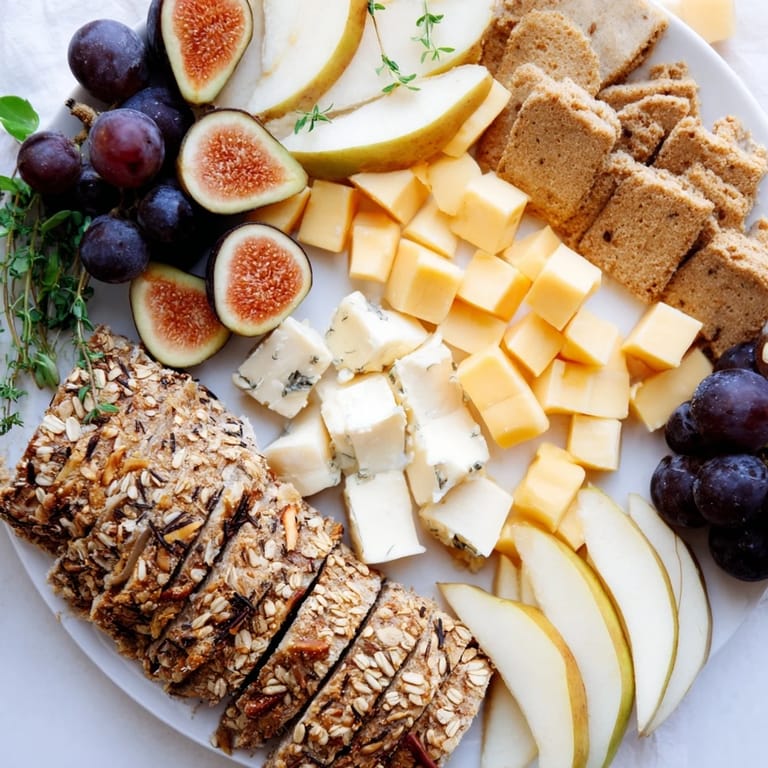
 The first time I built a proper charcuterie board, I was terrified of making it look "wrong." Then a friend arrived early, watched me fuss over the arrangement, and said, "It's not about perfection—it's about invitation." That moment shifted everything. Now when I compose The Harvest Scythe, I think less about rules and more about creating a landscape people want to wander through, one that tells a story through color, texture, and the unexpected pleasure of bread meeting fruit meeting cheese.
Last summer, I made this for a small dinner party on my neighbor's patio, and what struck me wasn't the compliments but the quiet: people stopped talking to look at it, really look at it. Someone traced the scythe shape with their finger before taking anything. That's when I realized a platter like this becomes a moment, not just a starting course.
Ingredients
- Baguette (1 small, sliced): The crisp exterior gives way to tender crumb—slice at a slight angle for elegance and to catch the light just right.
- Multi-grain crackers (1 cup): These hold their structure longer than bread and add visual variety; choose shapes with character.
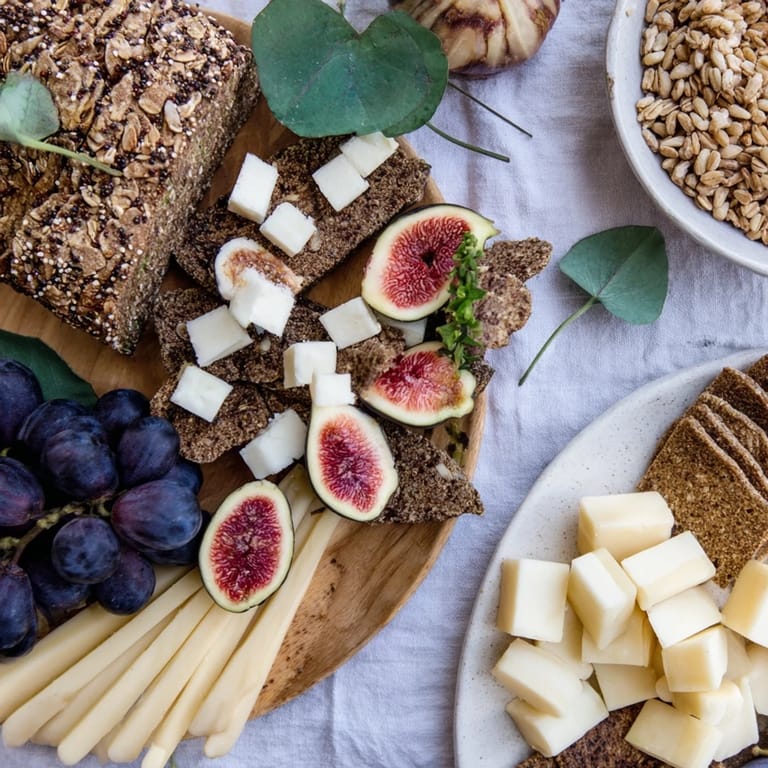
- Seeded rye bread (1 cup, thinly sliced): The earthiness and visible seeds create an anchor for the platter's rustic feel.
- Cooked farro or barley (½ cup, cooled): Grains add substance and a tender chew; they're the "harvested field" visual that inspired this platter's name.
- Seedless red grapes (1 cup): Their jewel tones create pockets of color; keep them at room temperature for better flavor.
- Sliced pears (1 cup): Toss lightly with a squeeze of lemon juice the moment you slice them to prevent browning.
- Sliced apples (1 cup): Same trick as the pears—acid stops oxidation and keeps them looking fresh.
- Dried apricots (½ cup): Chewy and naturally sweet, they bridge the gap between bread and fresh fruit.
- Fresh figs, halved (½ cup): If you can find them, their soft interior and seeds are worth seeking out; dried figs work beautifully too.
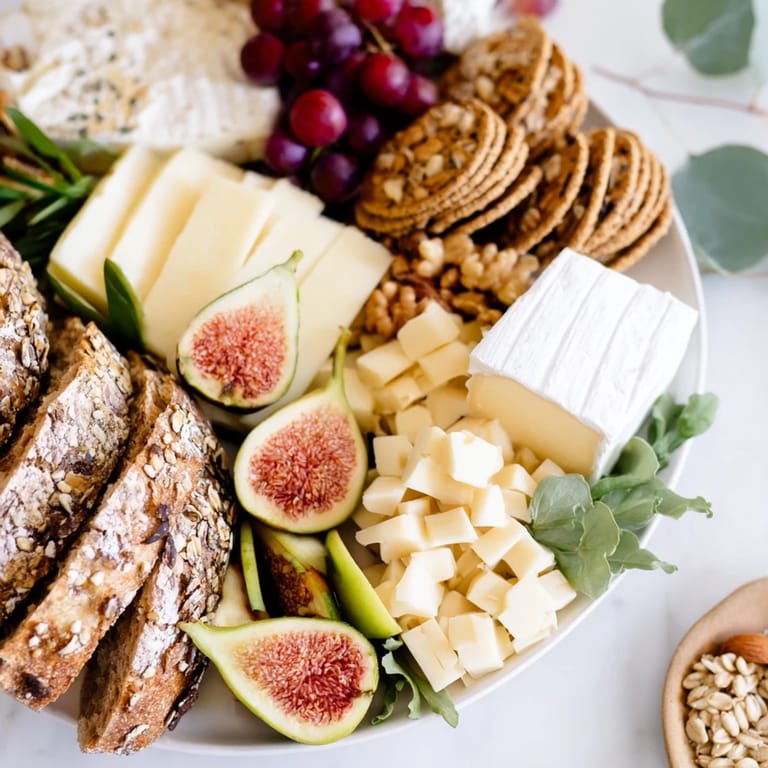
- Brie cheese, sliced (100 g, optional): Room temperature brie spreads like butter and melts against warm bread in the best way.
- Aged cheddar, cubed (100 g, optional): Sharp and crystalline, it provides contrast to the softer cheese.
- Honey or fig jam (¼ cup): Keep this in small bowls at the board's edge so people can drizzle or dip as they please.
- Fresh mint leaves: A whisper of green that ties the whole landscape together visually and awakens the palate.
- Roasted nuts (almonds or walnuts): Scatter these last for warmth and crunch; their aroma says "welcome."
Tired of Takeout? 🥡
Get 10 meals you can make faster than delivery arrives. Seriously.
One email. No spam. Unsubscribe anytime.
Instructions
- Lay your scythe blade:
- On a large wooden board or platter, arrange sliced breads and crackers in a sweeping, curved line—think of a scythe cutting through tall grass. Let this shape be your guide for everything that follows.
- Fill the harvested field:
- Spread the cooled grains along the inner curve in a thin, even layer, piling them just enough to catch light and shadow. This is your "grain harvest," so don't worry about perfection—natural rusticity is the goal.
- Paint with fruit:
- Fan the sliced pears and apples, then scatter grapes and dried apricots throughout, allowing colors to intermingle. Let them rest against the breads and grains as if they've just tumbled there.
- Nestle the cheese:
- Cluster brie and cheddar in small, casual groups near the breads, creating natural pairing spots. If you're using cheese, position it where it will catch attention without overwhelming the composition.
- Add the sweet finishing touch:
- Place small bowls of honey or jam at the platter's edge, tilted slightly as if ready to pour. These accents give people permission to drizzle, dip, and make the board their own.
- Garnish with intention:
- Scatter fresh mint leaves across the entire composition and roasted nuts on top, letting their warmth and aroma invite people closer. Serve immediately to keep fruits crisp and breads at their best.
 Save to Pinterest
 One afternoon, my young niece arranged her own version of this platter for a family lunch. She made no effort to follow my "scythe" concept, instead creating a spiral that made everyone smile. It taught me that the real magic isn't in the shape—it's in the care someone takes to say, "I made this for you, and I want you to enjoy it."
Arranging for Impact
The visual rhythm of a board like this comes from repetition and variation: let one type of bread lead, then break the pattern with a cluster of cheese, then return to bread. Your eye should travel, discover, and feel surprised. Wooden boards naturally warm the colors of everything on them, while marble or slate will cool them down—choose your platter based on the mood you want to create.
Building Flavor Conversations
The best boards tell a flavor story: soft brie against earthy rye, crisp apple against aged cheddar, the honey tying everything back to sweetness. When you arrange the ingredients, think about what tastes good together, then let people discover those pairings themselves. The mint and nuts aren't just decoration; they're the final punctuation that makes each bite feel intentional and complete.
Variations and Seasonal Magic
The Harvest Scythe works year-round because fruits and breads are always available in some form. In autumn, add roasted grapes and swap apricots for dried plums; in spring, feature fresh berries and lighter cheeses like goat cheese or ricotta. The bones of the platter stay the same, but the details shift with the seasons, keeping it fresh and surprising.
- Gluten-free? Choose a hearty gluten-free bread and crackers made with seeds for visual interest and structure.
- Plant-based? Skip the cheese entirely or use cashew-based alternatives that mimic brie's creamy texture.
- Short on time? Buy pre-sliced breads and pre-cooked grains from the bakery and prepared foods sections.
 Save to Pinterest
 A platter like this is an invitation to slow down, to taste, to talk. It says you've thought about the people gathering and what might delight them. That's the real recipe.
Questions & Answers
- → What breads work best for this platter?
Use a mix of soft and crunchy breads such as baguette slices, seeded rye, and multi-grain crackers to provide varied textures and flavors.
- → Can I substitute the grains used here?
Yes, cooked farro and barley can be swapped for similar grains like quinoa or rice depending on preference and availability.
- → How do I keep the fruits fresh longer on the board?
Arrange fruits just before serving and keep the platter covered in the fridge if preparing ahead to maintain freshness and prevent browning.
- → Are there good alternatives to the cheeses listed?
For a dairy-free option, try plant-based cheeses or omit entirely. Soft and aged varieties both pair well with the sweet and nutty elements.
- → What garnishes enhance the flavors on this platter?
Fresh mint leaves add an aromatic brightness while roasted nuts contribute crunch and richness to balance the fruits and breads.