 Save to Pinterest
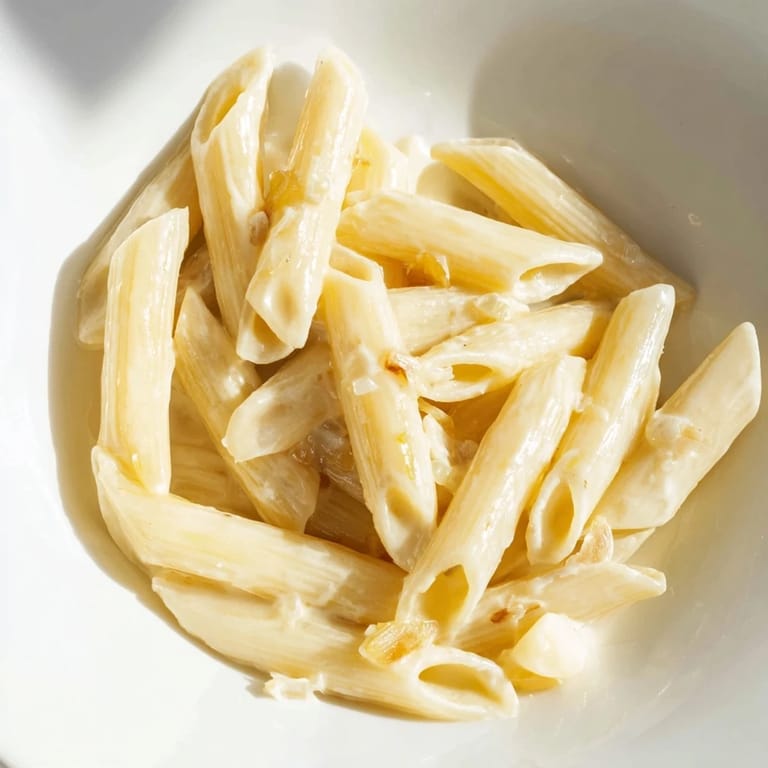
 There's something almost magical about watching pasta cook in milk instead of water, the grains softening while the liquid transforms into something luxuriously creamy without a drop of cream. My neighbor stopped by one evening asking what smelled so good, and when I explained this one-pot trick, she looked skeptical until she tasted it—now it's her go-to when she needs dinner on the table fast. It's the kind of dish that feels like you've spent hours stirring a sauce, but really you've just let the milk do the work while you pour yourself a glass of wine.
I made this for my sister during a busy week when she was overwhelmed with work, and watching her face light up at the first bite reminded me that sometimes the most meaningful meals are the simple ones. She asked for the recipe before she even finished the bowl, and now it's become our shorthand for "I'm thinking of you"—a text that just says "milk pasta tonight?" when either of us needs comfort food.
Ingredients
- Short pasta (350 g): Penne, fusilli, or rigatoni work best because their ridges and shapes trap the creamy sauce, making each bite rich and intentional—avoid long thin shapes that slip through too easily.
- Whole milk (1 liter): Full-fat milk is essential here; it's the whole foundation of your sauce, so don't reach for skim or it will never achieve that silky body.
- Unsalted butter (60 g): This is your flavor starter, toasted gently with garlic to build an aromatic base before the milk goes in.
- Grated Parmesan cheese (60 g): Freshly grated from a block tastes noticeably sharper and melts more smoothly than pre-grated varieties, which contain anti-caking agents that can make the sauce grainy.
- Garlic cloves (2), minced: Keep the heat moderate so the garlic becomes fragrant and sweet rather than bitter and sharp—this is about coaxing flavor, not forcing it.
- Salt and black pepper: Start conservative with seasoning since the Parmesan adds its own saltiness; you can always taste and adjust as you go.
- Nutmeg (pinch, optional): A whisper of nutmeg opens up the creaminess in a way that feels sophisticated but subtle, though it's your call whether to include it.
Tired of Takeout? 🥡
Get 10 meals you can make faster than delivery arrives. Seriously.
One email. No spam. Unsubscribe anytime.
Instructions
- Melt butter and wake up the garlic:
- Watch as the butter foams and turns golden, then scatter in the minced garlic and let it sizzle for exactly one minute—your nose will know when it's done, and you want fragrant, not browned.
- Pour in the milk gently:
- Warm milk in a cold pan tends to shock the butter, so pour slowly and stir to combine, then let it rise to a gentle simmer with small bubbles creeping around the edges.
- Add the pasta and seasonings:
- Stir immediately and constantly for the first minute to prevent the pasta from sinking and sticking to the bottom—this is where your wooden spoon becomes your best friend.
- Let time and heat do the work:
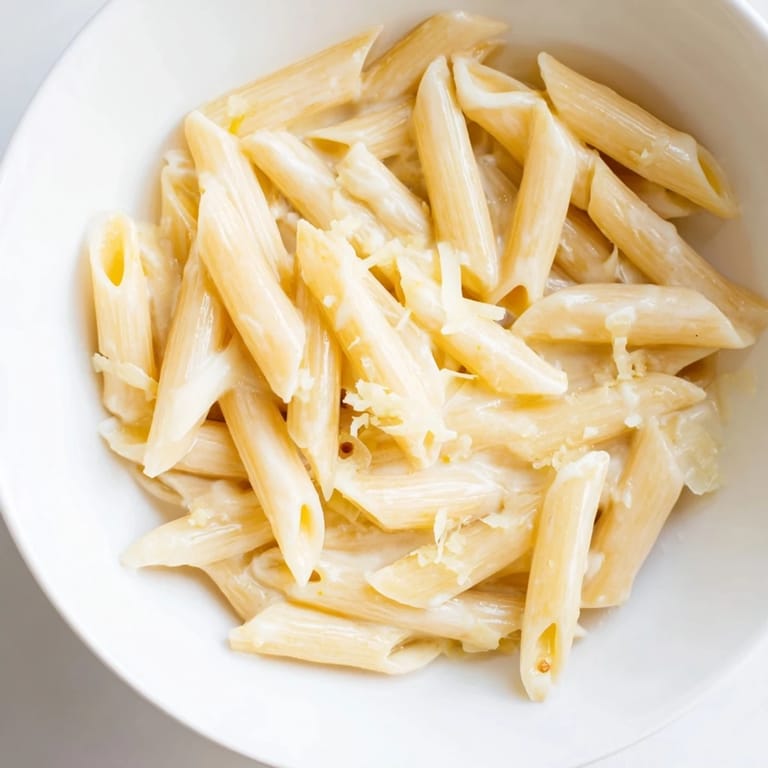
- Cook uncovered for 12 to 15 minutes, stirring often, watching as the milk gradually reduces and thickens into a clinging sauce that coats the pasta. If it thickens too fast, add a splash more milk and keep the heat moderate so nothing burns on the bottom.
- Finish with Parmesan and taste:
- Remove from heat, stir in the grated cheese until it disappears into the creamy sauce, then taste and adjust salt and pepper—this is your final chance to make it exactly right.
- Serve while it's still silky:
- Plate immediately with fresh parsley scattered on top and extra Parmesan on the side so everyone can add as much as they want.
 Save to Pinterest
 My daughter once asked why this pasta tastes like a hug, and I realized that's exactly what it is—simple ingredients that somehow add up to something that feels like care in a bowl. It's the kind of dish that reminds you why you cook in the first place.
The Science of Milk-Based Sauces
Cooking pasta directly in milk works because the starch released from the pasta as it cooks acts as a natural thickener, creating that creamy texture without any cream or flour—it's basically nature's own emulsion happening right in your pan. The heat breaks down the milk proteins while the starch particles absorb liquid and expand, transforming the whole thing into something silky and luxurious by the time the pasta reaches al dente.
Making It Your Own
This recipe is honestly a starting point, a blank canvas that invites additions without demanding them. I've stirred in sautéed mushrooms on quiet Sunday evenings, tossed in fresh spinach wilted at the last second, scattered crispy bacon pieces for richness, and even swirled in a spoonful of mascarpone when I wanted to turn a simple dinner into something that felt like a restaurant meal at home.
Pairing and Storage
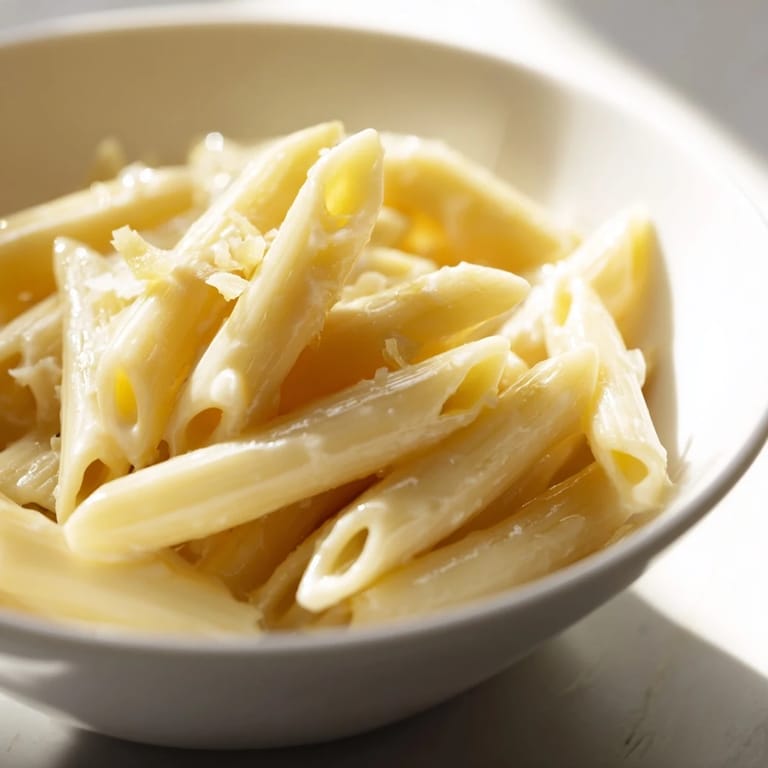
A crisp white wine like Pinot Grigio cuts through the creaminess and makes the whole meal feel more balanced and intentional. This pasta is best eaten fresh and hot from the pan, but if you have leftovers, refrigerate them in an airtight container for up to two days and reheat gently on the stovetop with a splash of milk to restore the sauce's silky texture.
- Serve with crusty bread to soak up every last drop of sauce that pools on the plate.
- A simple green salad on the side provides brightness and prevents the meal from feeling too rich.
- Have extra Parmesan and fresh pepper ready at the table so everyone can customize their bowl.
 Save to Pinterest
 This is the recipe I reach for when I want to feel like I've cooked something special without the stress, and that's worth keeping close. Make it once and it becomes part of your regular rotation, a reliable friend in the kitchen.
Questions & Answers
- → Can I use a different type of pasta?
Yes, short pasta shapes like penne, fusilli, or rigatoni work best as they trap the creamy sauce. Avoid long pasta like spaghetti, which tends to clump in milk-based cooking.
- → What if the sauce becomes too thick?
Simply add more milk gradually while stirring. The sauce will continue to thicken as the pasta releases its starches, so monitor carefully during the final minutes of cooking.
- → Is this suitable for a vegetarian diet?
Absolutely. This is naturally vegetarian. Use vegetable broth if desired, though the milk creates the signature creamy texture. Check Parmesan labels to ensure no animal rennet if needed.
- → Can I make this ahead of time?
Best served fresh, but leftovers reheat gently on the stovetop with a splash of milk. The sauce may separate slightly when chilled, so stir well while warming to restore creaminess.
- → What wines pair well with this dish?
A crisp white wine like Pinot Grigio, Vermentino, or Albariño complements the creamy richness beautifully. The acidity cuts through the dairy and balances the flavors.