 Save to Pinterest
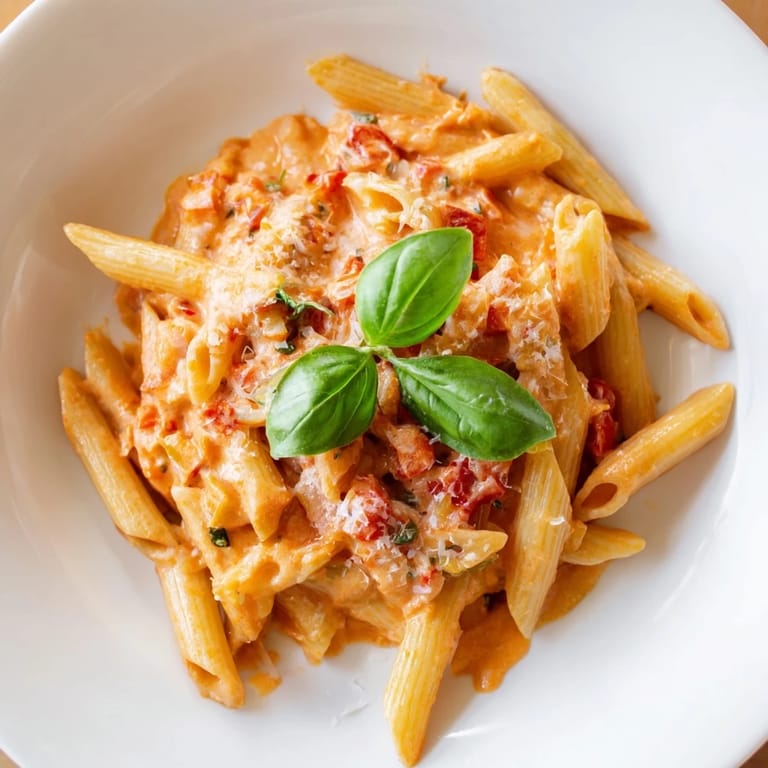
 There's something about the smell of garlic hitting hot oil that makes you feel like you're cooking something worthwhile, even if it's just a weeknight dinner. I stumbled onto this one-pot tomato pasta a few years back when I was tired of juggling multiple pans and wanted something that actually tasted like it belonged in a proper Italian kitchen. What struck me most was how the pasta cooks right into the sauce, absorbing all those flavors rather than just sitting on top of them like an afterthought. The cream swirled in at the end transforms everything into this silky, luxurious thing that somehow feels both simple and indulgent.
I made this for a friend who'd just moved into a tiny apartment with barely any kitchen space, and watching her face when she realized the whole thing came out of one pan was priceless. She's made it probably twenty times since, and now it's what she cooks when she wants to impress someone without admitting she only has three pots to her name. It became our shorthand for "let's eat something good without the stress."
Ingredients
- Penne or fusilli pasta (350 g): The ridges and curves catch the sauce beautifully, which is why I skip smooth pasta here—you want every strand coated in that creamy tomato goodness.
- Olive oil (2 tbsp): Use something you actually like tasting, not the cheapest bottle. It's one of four ingredients in the beginning, so it matters.
- Yellow onion (1 medium, finely chopped): The foundation for everything that comes next; take a minute to chop it small so it melts into the sauce.
- Garlic (4 cloves, minced): This is where the magic happens—don't skip the mincing step, and don't let it burn or it turns bitter and ruins the whole mood.
- Red pepper flakes (1/2 tsp, optional): A whisper of heat if you want it; I add mine when I'm cooking alone and skip it when kids are around.
- Canned crushed tomatoes (800 g): Good canned tomatoes are honestly better than most fresh ones in winter; look for ones that just say tomatoes and salt, nothing else.
- Tomato paste (2 tbsp): This concentrates the tomato flavor and gives the sauce real depth—don't just dump it in, stir it around and let it caramelize a bit.
- Sugar (1 tsp): A tiny pinch to balance the acidity; it's not about sweetness, it's about making the tomatoes taste like tomatoes.
- Salt and black pepper: Use fresh pepper, not the pre-ground stuff that's been sitting in your cabinet—it actually tastes like something.
- Heavy cream (200 ml): The final transformation that turns sauce into silk; use actual cream, not half-and-half, or the magic doesn't quite work.
- Parmesan cheese (60 g, freshly grated): Grate it yourself or your dish will taste like dust; pre-grated cheese has anti-caking powder that doesn't melt right.
- Fresh basil (1 cup, chopped, plus extra for garnish): Add it at the very end so it stays bright green and alive; cooked basil tastes like sadness.
- Water or vegetable broth (600 ml): This is where the pasta actually cooks, and it becomes part of the sauce, so it matters whether you use water or broth.
Tired of Takeout? 🥡
Get 10 meals you can make faster than delivery arrives. Seriously.
One email. No spam. Unsubscribe anytime.
Instructions
- Start your sauce:
- Heat the olive oil in your largest pot or deep skillet over medium heat until it's shimmering and moves like water, about a minute. Add the chopped onion and let it soften for a few minutes, stirring every now and then—you're listening for the sound of it getting tender, almost creamy in the oil.
- Wake up the garlic:
- Once the onion is soft, add the minced garlic and red pepper flakes if you're using them. Cook for about 60 seconds, right until your kitchen smells incredible—that's the signal to move on before the garlic gets cranky.
- Build the tomato base:
- Stir in the crushed tomatoes, tomato paste, sugar, salt, and pepper all at once. Give it a good mix so the tomato paste breaks down into the oil and tomatoes, then let it bubble gently for a minute while you grab your pasta and water.
- Add the pasta:
- Pour the pasta directly into the pot along with the water or broth, stirring so nothing sticks to the bottom. The pasta should mostly be submerged, peeking through the sauce like little islands.
- Let it simmer:
- Bring everything to a boil—you'll hear it before you see it—then lower the heat to medium-low and cover. Stir it every few minutes so the pasta cooks evenly and doesn't clump up, tasting after about 12 minutes to see if it's soft enough.
- Make it creamy:
- Once the pasta is tender and the liquid is mostly gone, pour in the cream and scatter the Parmesan over top. Stir constantly for a couple of minutes until it's all one creamy, glossy sauce that clings to the pasta.
- Finish with basil:
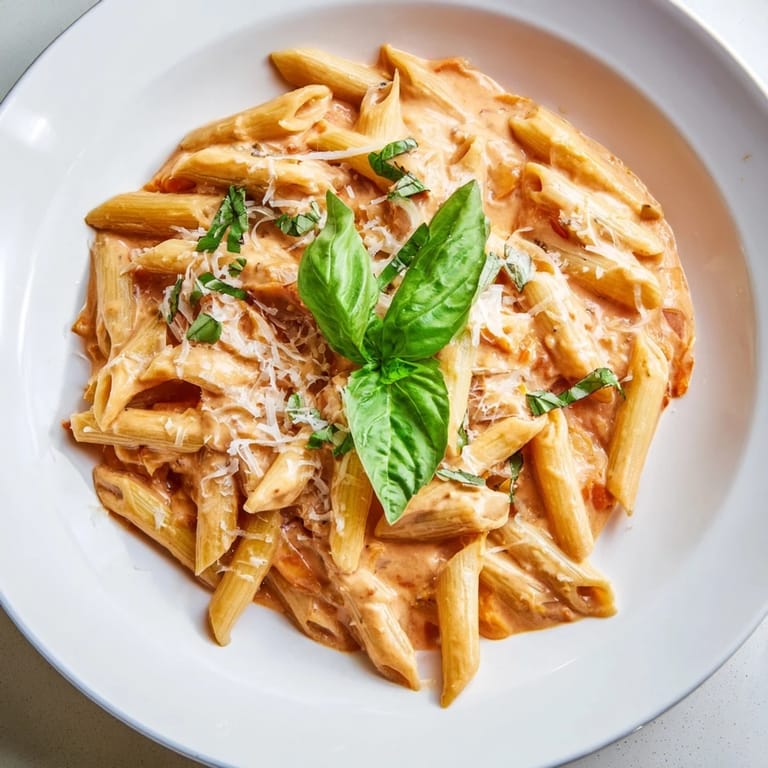
- Take it off the heat and fold in the fresh basil with a gentle hand—you want those green pieces visible, not bruised. Taste it, adjust the salt or pepper if it needs it, and serve right away while it's still hot and happy.
 Save to Pinterest
 The moment when everything comes together—when the cream swirls in and suddenly you have this glossy, clinging sauce instead of broth—that's the moment I remember why I love cooking at all. It's the point where you realize you made something really good with just a handful of things and about 20 minutes.
The Secret Behind One-Pot Magic
One-pot cooking isn't just about laziness, though that's part of it. When the pasta cooks directly in the sauce, it releases starch into the liquid, which actually helps the sauce stick to every strand instead of sliding off. This is the same reason fancy Italian restaurants cook their pasta in sauce water, not just plain salted pasta water. You're not just saving yourself a pan; you're making the dish taste better by accident.
Variations That Feel Natural
Once you've made this a few times, you start seeing it as a canvas instead of a strict recipe. Sautéed mushrooms stirred in before the pasta add earthiness without overpowering the tomato. A handful of spinach wilts right into the heat and makes it feel more like a complete meal. Roasted vegetables—zucchini, bell peppers, whatever you have—turn this into something different every time without feeling wrong.
Timing and Temperature Matter More Than You Think
The only real trick here is understanding that pasta doesn't stop cooking when you stop stirring. If it looks almost done, it probably is done, because it'll keep softening as everything cools. The cream and cheese at the end aren't just about flavor; they're about temperature, binding everything together at the exact moment when the pasta is perfect.
- Keep that heat at medium-low once everything is in the pot so nothing burns on the bottom while you're stirring.
- Add fresh basil after everything else is done because heat turns bright green into dull brown faster than you'd think.
- Serve immediately while the sauce is still moving and the basil is still smiling.
 Save to Pinterest
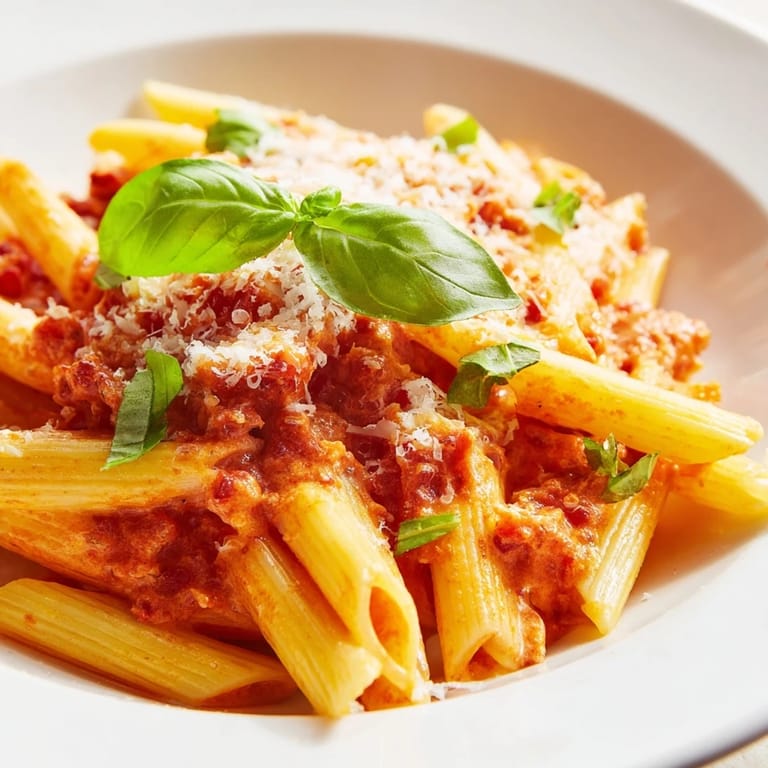
 This is the kind of dinner that tastes like you spent hours on it, but you didn't. It's the kind of meal that makes people ask for the recipe, and when you tell them it's just one pot and 30 minutes, they don't believe you until they try it themselves.
Questions & Answers
- → What pasta types work best for this dish?
Penne or fusilli are ideal as they hold the creamy sauce well and cook evenly in one pot.
- → Can I make this dish vegan-friendly?
Yes, substitute heavy cream and Parmesan with plant-based alternatives to maintain creaminess.
- → How do I achieve the creamy texture without separate sauce preparation?
The pasta simmers directly in the tomato and broth mixture, then heavy cream and cheese are stirred in at the end to create a smooth sauce.
- → Is it possible to add vegetables to enhance the dish?
Absolutely, ingredients like mushrooms, spinach, or roasted vegetables can be added to increase nutrition and flavor.
- → What is the best way to garnish this meal?
Fresh basil leaves and an extra sprinkle of Parmesan cheese enhance both the aroma and taste when served.