 Save to Pinterest
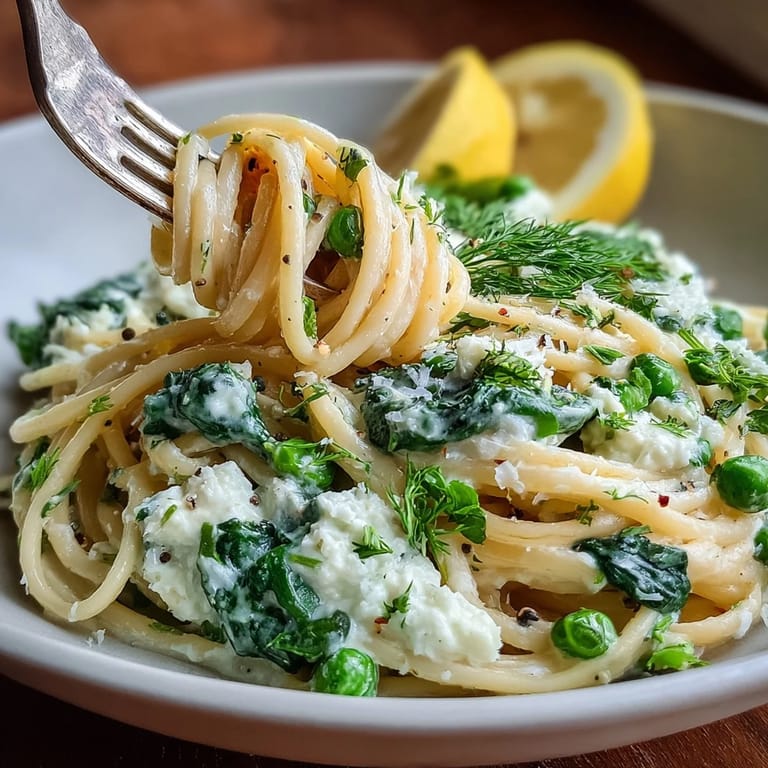
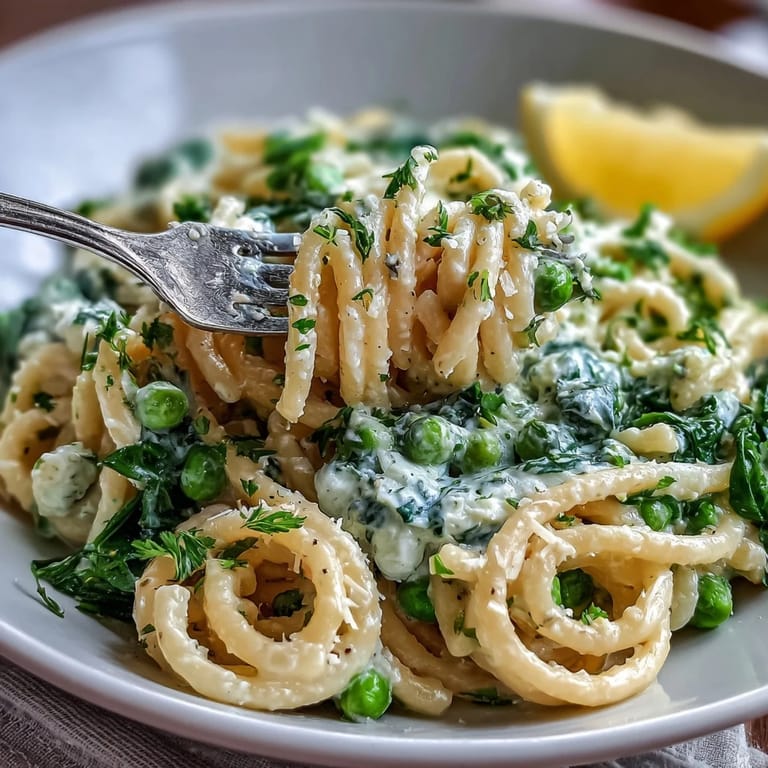
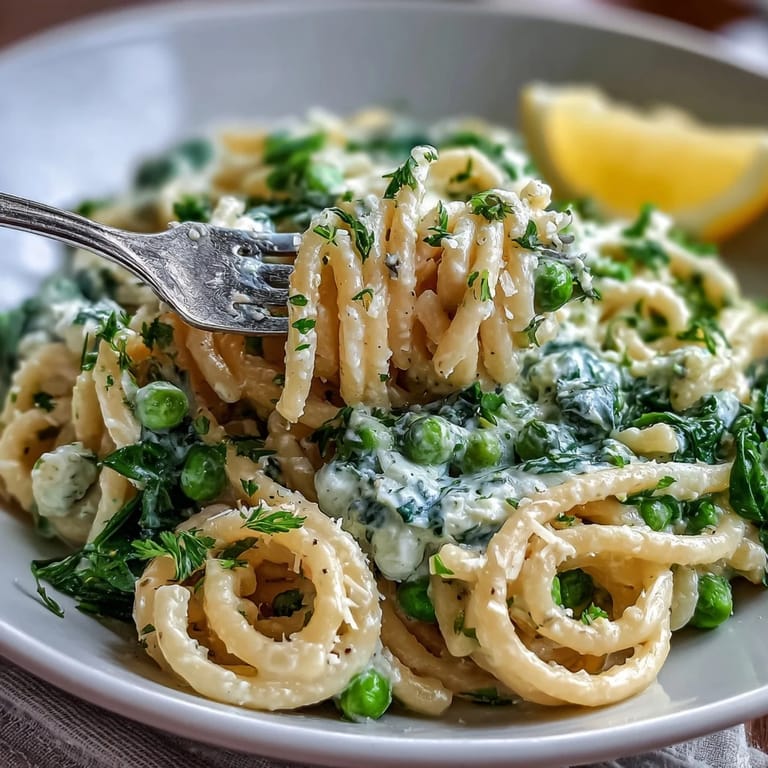
 There’s a certain calm that settles over the kitchen when the only pot on the stove is bubbling with anticipation. The first time I tossed together this lemon ricotta pasta, I remember being slightly skeptical—could such a simple, quick combination really deliver that punch of brightness I was after? It wasn’t long before the citrusy aroma started mingling with the sweet green peas, and I knew something delightful was unfolding. My playlist was just background noise for the happy sizzle of garlic dancing in oil. It felt like creating a weeknight treat that could pass for something far more celebratory.
I’ll never forget when this recipe first debuted at my dinner table after a rainy Saturday, when friends dropped by unannounced—hungry and a little soggy. Suddenly, my kitchen became the coziest refuge as we watched the pasta absorb every drop of lemony sauce. No one minded the mismatched bowls or the impromptu nature of the gathering; every forkful seemed to coax out another round of laughter.
Ingredients
- Short pasta (penne, fusilli, or similar): Sturdy shapes hold the sauce; I’ve learned that hollow pasta soaks up the flavors especially well.
- Ricotta cheese: Its delicate creaminess is what makes the sauce luxuriously smooth—opt for full-fat if you want that true velvetiness.
- Grated Parmesan cheese: Adds a salty, nutty undertone; buy a wedge and grate it fresh for the most robust flavor.
- Whole milk: Just enough to help everything meld without making the sauce runny; don’t skip it, or the mixture seizes up.
- Frozen or fresh green peas: Their sweetness is a cheerful surprise and instantly makes the pasta more colorful.
- Fresh spinach: A generous handful wilts into the sauce and adds a burst of verdant freshness—don’t be shy, it disappears quickly.
- Garlic: A gentle sizzle in olive oil brings out a mellow aroma without overwhelming the dish.
- Lemon (zest and juice): The zest perfumes everything, while the juice brings that perfect tang—roll the lemon on the counter before zesting for maximum flavor.
- Olive oil: Choose one you love; its subtle fruitiness starts the recipe off right.
- Salt and freshly ground black pepper: Taste as you go—a little more than you think brings the flavors to life.
- Garnish (optional: lemon zest, basil or parsley): These fresh toppings turn the final bowl into something restaurant-worthy.
Tired of Takeout? 🥡
Get 10 meals you can make faster than delivery arrives. Seriously.
One email. No spam. Unsubscribe anytime.
Instructions
- Warm up the flavor base:
- Heat the olive oil until it shimmers, then tumble in the minced garlic, letting the kitchen fill with that toasty, irresistible aroma—watch closely so it stays golden, not brown.
- Add the pasta and peas:
- Pour in the dry pasta and peas with a bold sprinkle of salt, then add enough water to just submerge everything; you’ll hear a soft simmer begin as it comes to a gentle boil.
- Simmer to al dente:
- Let the pasta cook uncovered, stirring occasionally, so the starch thickens the water into a soupy base—keep an eye on it so it doesn’t stick at the bottom or overcook.
- Stir in the greens:
- Drop in the fresh spinach and watch as it wilts instantly into silky green ribbons, inviting you to give the whole pot a comforting mix.
- Cream it up:
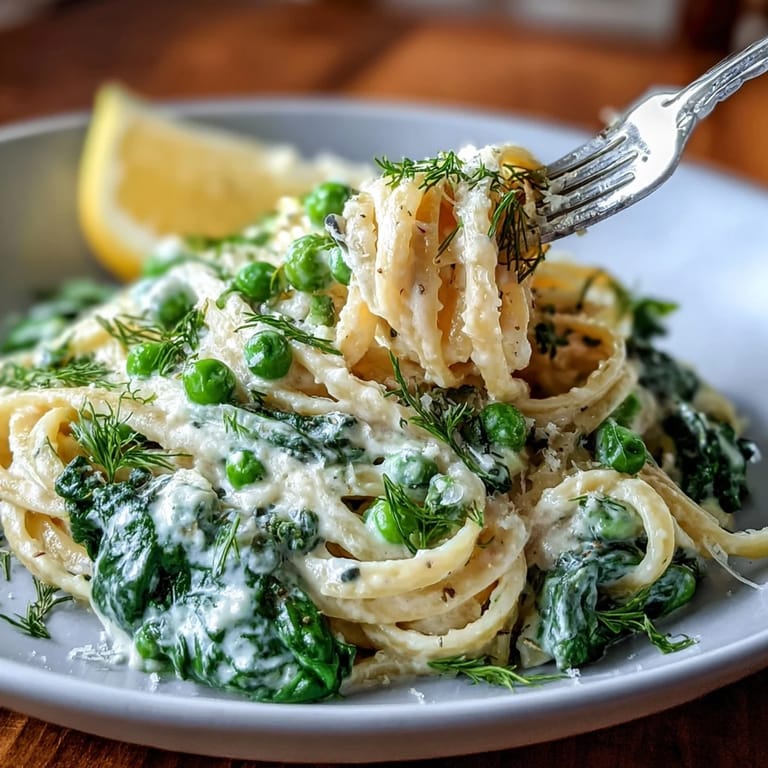
- Reduce the heat, then spoon in the ricotta, sprinkle the Parmesan, pour the milk, and finish with lemon zest and juice; the sauce transforms quickly, turning glossy and creamy as you toss everything together.
- Season and serve:
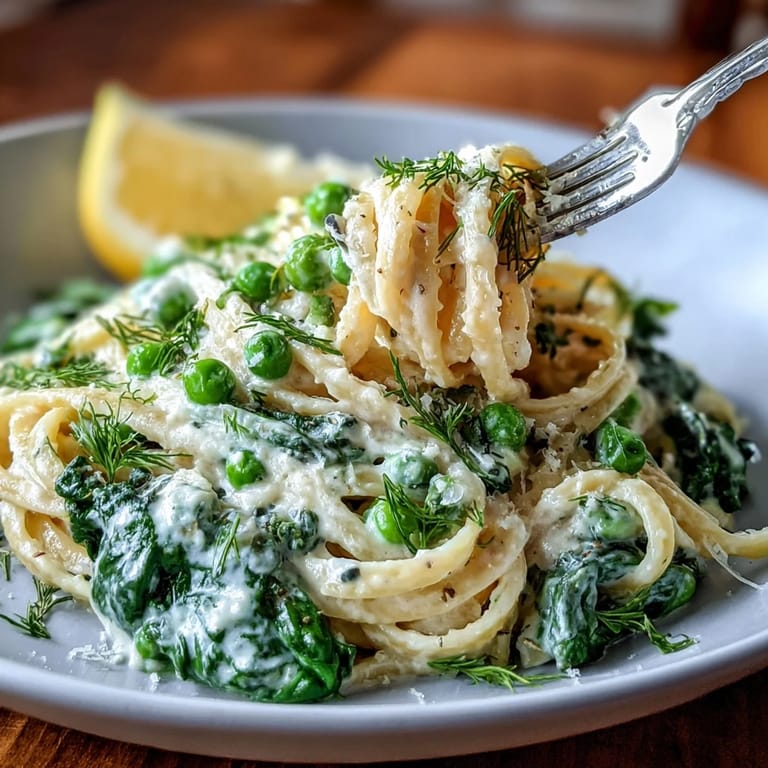
- Taste and adjust with pepper and a pinch more salt, if needed, then scoop the pasta into bowls and finish with extra lemon zest and a shower of fresh herbs for a bright, happy look.
 Save to Pinterest
  Save to Pinterest
 I realized this pasta’s magic one chill evening when I watched my sister close her eyes after the first bite, smiling without saying a word—it quietly became our new comfort food, perfect in its simplicity and warmth.
Making This for a Group?
Doubling the recipe is surprisingly easy and makes it fantastic for feeding friends—just make sure you have a big enough pot to let the pasta move around and absorb that luscious sauce.
How to Make It Your Own
The base is endlessly flexible: swap in kale or arugula, fold in roasted zucchini or a handful of olives, or add chili flakes for gentle heat that sneaks up on you.
Serving and Storing Tips
Leftovers are rare, but if you have them, store pasta in a closed container and add a splash of milk when reheating to restore creaminess.
- Top each bowl just before serving for ultimate freshness.
- Pair with a crisp salad for a more substantial meal.
- Don’t forget crusty bread to mop up every bit of sauce.
 Save to Pinterest
  Save to Pinterest
 I hope this easy, zesty pasta brings plenty of joy and color to your table—it’s a dish that always seems to turn an ordinary meal into a little celebration.
Questions & Answers
- → How do I keep the sauce creamy and not grainy?
Lower the heat before adding ricotta and milk, then stir gently until melted and combined. If the sauce tightens, loosen with a splash of reserved cooking water or milk and stir until smooth to maintain a silky texture.
- → Can I use frozen peas instead of fresh?
Yes. Add frozen peas straight from the bag during the pasta simmer; they heat through quickly. Fresh peas work too—add them a minute or two earlier if large so they become tender.
- → What pasta shapes work best for this dish?
Short shapes with ridges or grooves—penne, fusilli, rigatoni, or shells—catch the creamy sauce well. Smaller shapes like orecchiette or shells are also great for holding bits of spinach and peas.
- → How should I store and reheat leftovers?
Cool to room temperature and refrigerate in an airtight container for 3–4 days. Reheat gently on the stovetop over low heat with a splash of milk or water, stirring to restore creaminess; avoid high heat to prevent separation.
- → How can I add protein or extra texture?
Top with toasted pine nuts or walnuts for crunch, or fold in chickpeas, shredded chicken, or pan-seared tofu for added protein. Add crunchy elements just before serving to preserve texture.
- → Any tips for adjusting acidity from the lemon?
Start with half the juice, taste, then add more if you want brighter flavor. Lemon zest adds aromatic lift without extra acidity, and a pinch of black pepper balances the citrus notes.