 Save to Pinterest
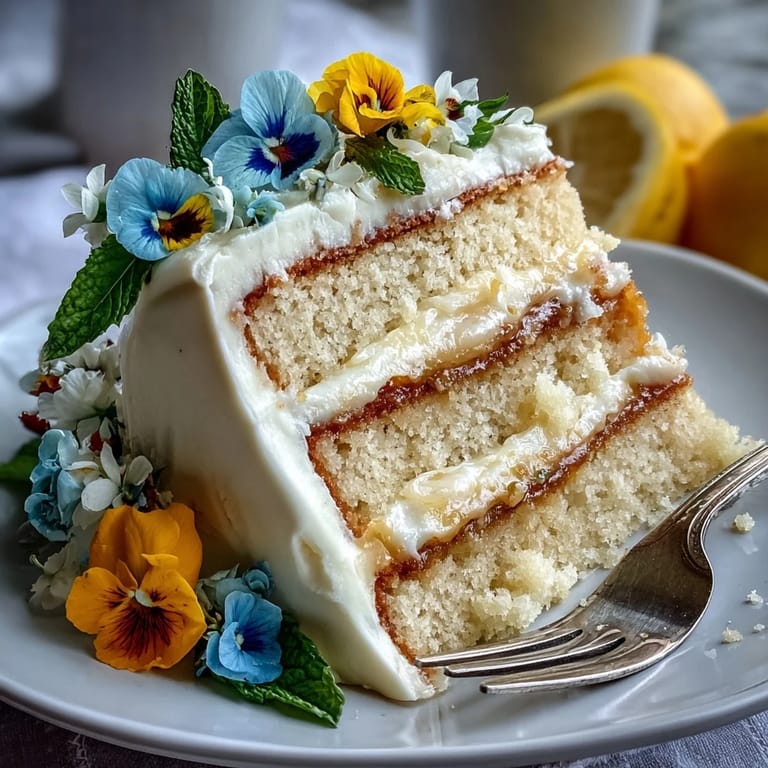
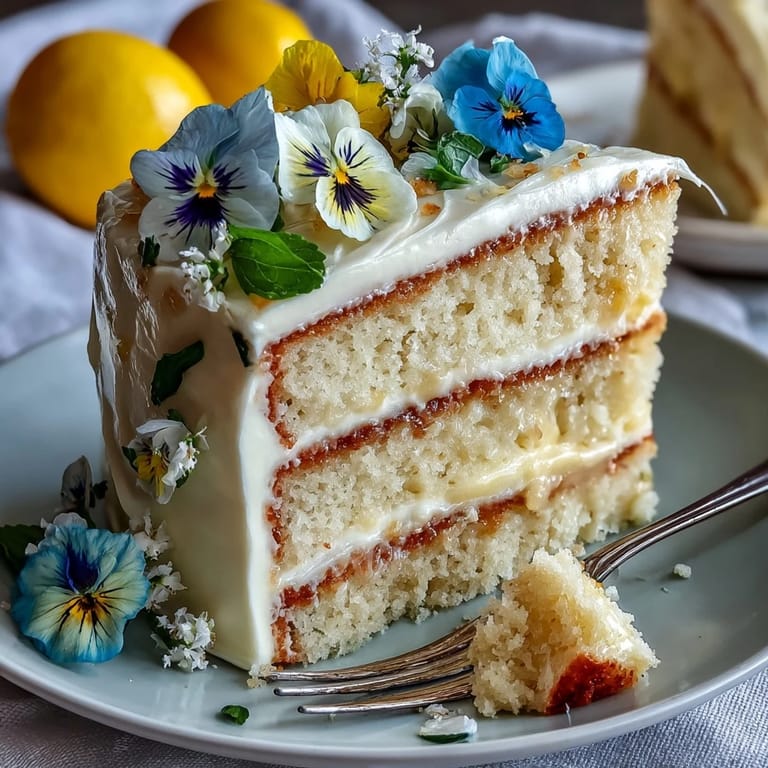
 There's something truly special about celebrating Mother's Day with a homemade cake bursting with bright, lemony flavor and adorned with beautiful edible flowers. This Lemon Curd Layer Cake is the kind of treat that shows just how much you care—a zesty, tender sponge, layered with tangy homemade lemon curd and pillowy whipped cream. Every slice is as joyful and vibrant as springtime itself, making it the perfect centerpiece for your Mother's Day table.
Save to Pinterest Baking this cake is more than just following a recipe—it's a way to create new memories in the kitchen. Imagine your home filled with the scent of fresh lemon, the quiet concentration as you hand-whisk curd, and the joyous satisfaction of decorating with blossoms. Each detail comes together into a dessert that feels genuinely heartfelt. Whether prepared with little helpers or as a solo surprise, this cake is a tribute to all the love and care you wish to give.
Ingredients
Tired of Takeout? 🥡
Get 10 meals you can make faster than delivery arrives. Seriously.
One email. No spam. Unsubscribe anytime.
- For the Cake
- 2 1/2 cups (310 g) all-purpose flour
- 2 1/2 tsp baking powder
- 1/2 tsp baking soda
- 1/2 tsp salt
- 1 cup (225 g) unsalted butter, softened
- 2 cups (400 g) granulated sugar
- 4 large eggs, room temperature
- 1 tbsp lemon zest
- 1/4 cup (60 ml) fresh lemon juice
- 1 tsp vanilla extract
- 1 cup (240 ml) whole milk, room temperature
- For the Lemon Curd
- 3 large eggs
- 3/4 cup (150 g) granulated sugar
- 1 tbsp finely grated lemon zest
- 1/2 cup (120 ml) fresh lemon juice
- 1/4 cup (56 g) unsalted butter, cubed
- For the Whipped Cream Frosting
- 2 cups (480 ml) heavy cream, cold
- 1/2 cup (60 g) powdered sugar
- 1 tsp vanilla extract
- For Decoration
- Assorted edible flowers (such as pansies, violas, nasturtiums, roses)
Instructions
- 1.
- Preheat the oven to 350°F (175°C). Grease and line three 8-inch (20 cm) round cake pans with parchment paper.
- 2.
- In a medium bowl, whisk together flour, baking powder, baking soda, and salt. Set aside.
- 3.
- In a large bowl, cream butter and sugar with a mixer until light and fluffy, about 3 minutes. Add eggs one at a time, beating well after each. Mix in lemon zest, lemon juice, and vanilla.
- 4.
- Add flour mixture to the batter in three additions, alternating with milk, beginning and ending with flour. Do not overmix.
- 5.
- Divide batter equally among prepared pans. Smooth the tops and bake for 25–28 minutes, or until a toothpick inserted in the center comes out clean.
- 6.
- Cool cakes in pans for 10 minutes, then turn out onto racks to cool completely.
- 7.
- For the lemon curd: In a medium saucepan, whisk together eggs, sugar, lemon zest, and juice. Cook over medium heat, stirring constantly, until thickened (about 5–7 minutes). Remove from heat and stir in butter until smooth. Transfer to a bowl, cover with plastic wrap touching the surface, and chill.
- 8.
- For the frosting: Beat heavy cream, powdered sugar, and vanilla until stiff peaks form.
- 9.
- Assembly: Place one cake layer on a serving plate. Spread 1/2 cup whipped cream, then a generous layer of lemon curd (about 3–4 tbsp). Repeat with the next layer. Top with the third cake, then frost the top and sides with remaining whipped cream.
- 10.
- Decorate with edible flowers just before serving.
Zusatztipps für die Zubereitung
Backe die Kuchenböden und bereite die Zitronencreme bereits am Vortag vor, damit beides gut durchziehen und abkühlen kann. Achte darauf, dass alle Zutaten Raumtemperatur haben, vor allem Butter, Eier und Milch – so gelingt der Rührteig besonders luftig. Beim Schlagen der Sahne für das Frosting darauf achten, dass sie wirklich kalt ist, damit sie schön fest wird. Und nicht vergessen: Die Zitronenschale immer von ungespritzten Zitronen nehmen, da sie voller Aroma steckt.
Varianten und Anpassungen
Wenn du magst, kannst du zusätzlich frische Beeren wie Himbeeren oder Blaubeeren zwischen die Schichten geben – das sorgt für noch mehr Frische und ein fruchtiges Aroma. Die essbaren Blüten lassen sich saisonal und nach Geschmack auswählen; prüfe immer die Herkunft und Unbedenklichkeit. Für ein besonders festliches Aussehen goldene Zuckerperlen oder hauchdünne Zitronenzesten darüberstreuen.
Serviervorschläge
Der Lemon Curd Layer Cake schmeckt am besten leicht gekühlt und frisch dekoriert mit Blüten serviert. Idealerweise schneidest du die Stücke erst am Tisch, sodass alle das hübsche Innenleben bewundern können. Dazu passt eine Tasse Earl Grey Tee oder ein sanft prickelnder Prosecco. Die Torte bleibt abgedeckt im Kühlschrank bis zu zwei Tage wunderbar frisch.
 Save to Pinterest
 Feiere diesen besonderen Tag mit einem selbstgebackenen Lemon Curd Layer Cake, der nicht nur mit Geschmack, sondern auch mit seinem Aussehen begeistert. Jede Schicht und Dekoration zeigt: Dieser Kuchen wurde mit Liebe gemacht.
Questions & Answers
- → How do I prevent lemon curd from curdling?
Whisk constantly over medium-low heat and remove from heat as soon as it thickens. Strain if needed and stir in cold butter off the heat to smooth and cool quickly, which helps prevent curdling.
- → Can I make components ahead of time?
Yes. Bake the sponge and chill wrapped, and refrigerate the lemon curd in an airtight container. Whip the cream just before assembly for best volume and texture.
- → Are there ways to stabilize the whipped cream?
Chill the bowl and beaters, use cold heavy cream, and fold in a small amount of sifted powdered sugar. For longer holds, lightly fold in a tablespoon of mascarpone or a dairy stabilizer designed for creams.
- → How should I use edible flowers safely?
Use certified food-grade flowers from a trusted source or grow organic varieties. Rinse gently, pat dry, and add them to the cake just before serving to keep petals fresh and vibrant.
- → Can I add fruit between the layers?
Fresh berries pair beautifully with lemon curd. Add a thin layer of berries or a berry compote to avoid excess moisture that could make layers soggy.
- → What’s the best way to get even cake layers?
Weigh or divide batter evenly between pans, tap to remove air bubbles, and rotate pans midway through baking if your oven has hot spots. Level with a serrated knife if needed after cooling.