 Save to Pinterest
 My cousin Maria arrived at our kitchen on Easter morning with a knowing smile, already humming while tying her apron. She'd promised to teach me her nonna's ricotta pie recipe, the one that apparently made grown adults argue over the last slice at family dinners for decades. As she pulled out her lemons and a block of ricotta, I realized this wasn't just a dessert—it was a conversation between generations, held together with butter and lemon zest. The filling smelled like spring itself: bright, creamy, impossibly simple yet somehow profound.
I'll never forget the moment our guests took their first bites—the room went quiet in that specific way that means food is doing something right. Someone asked if they could have the recipe, then three more people asked within minutes. Maria caught my eye across the table and winked, as if to say, "Now you understand why we guard this one carefully."
Ingredients
- All-purpose flour (2 cups): The foundation of your pastry—don't skip chilling the dough, or your crust will shrink unpredictably in the oven.
- Granulated sugar (3/4 cup for filling): This balances the tartness of lemon without making the pie sickeningly sweet, which is the whole point.
- Cold unsalted butter (1/2 cup): Keep it truly cold and cubed small; warm butter won't give you that delicate, flaky texture you're after.
- Whole milk ricotta cheese (2 cups): Drain it well before using—excess moisture is the enemy of a properly set filling.
- Fresh lemon zest (from 2 lemons): Microplane it fresh, never use the bottled stuff; the oils make all the difference.
- Lemon juice (1 tablespoon): A small amount adds brightness without overpowering the delicate ricotta.
- Heavy cream (1/4 cup): This addition creates that luxurious, almost custard-like texture that sets this recipe apart.
- Eggs (4 total): Three for filling, one plus a yolk for pastry—they bind everything into something magical.
- Powdered sugar (for dusting): Apply it just before serving so it doesn't dissolve into the filling.
Tired of Takeout? 🥡
Get 10 meals you can make faster than delivery arrives. Seriously.
One email. No spam. Unsubscribe anytime.
Instructions
- Make the pastry dough:
- Combine flour, sugar, and salt in a large bowl, then work in cold butter with your fingertips until the mixture resembles coarse breadcrumbs—this texture is what creates flakiness. Mix in the egg, yolk, and vanilla, then add water one tablespoon at a time until the dough just holds together without becoming wet.
- Rest and chill:
- Shape your dough into a disk, wrap it tightly in plastic wrap, and refrigerate for at least 30 minutes—this prevents shrinking and makes rolling easier. You can make this the day before if you're planning ahead.
- Prepare your pan:
- Preheat your oven to 350°F (175°C) and grease a 9-inch pie or tart pan generously. Roll out the chilled dough on a lightly floured surface until it's thin enough to drape over the pan without tearing, then gently press it into the bottom and sides.
- Blind bake briefly:
- Prick the base with a fork to prevent puffing, trim any overhang, and chill for 10 minutes while you prep the filling. This small step prevents a soggy bottom crust.
- Create the filling:
- In a large bowl, whisk together the drained ricotta, sugar, eggs, vanilla, lemon zest, lemon juice, flour, salt, and heavy cream until completely smooth and homogeneous. The mixture should taste bright and creamy, with the lemon flavor noticeable but not sharp.
- Fill and bake:
- Pour the filling into your prepared pastry shell and smooth the top with a spatula, then bake for 55 to 60 minutes until the filling is set but still has a slight wobble in the very center. The top should be lightly golden; if it's browning too quickly, tent with foil.
- Cool with patience:
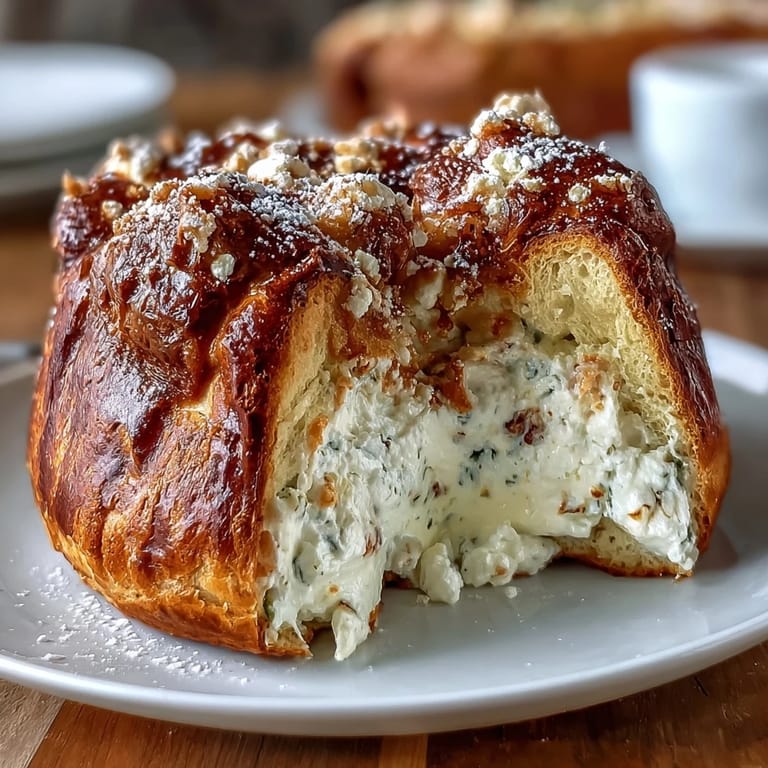
- Let the pie cool completely on a wire rack, then refrigerate for at least 2 hours before cutting—this allows the filling to set fully and makes slicing clean. Dust generously with powdered sugar just before serving.
 Save to Pinterest
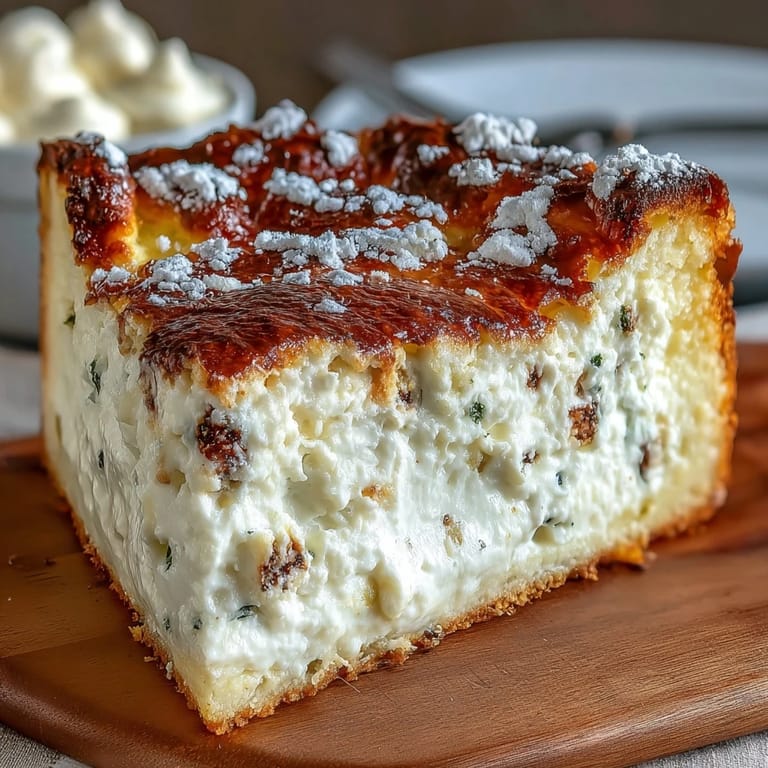
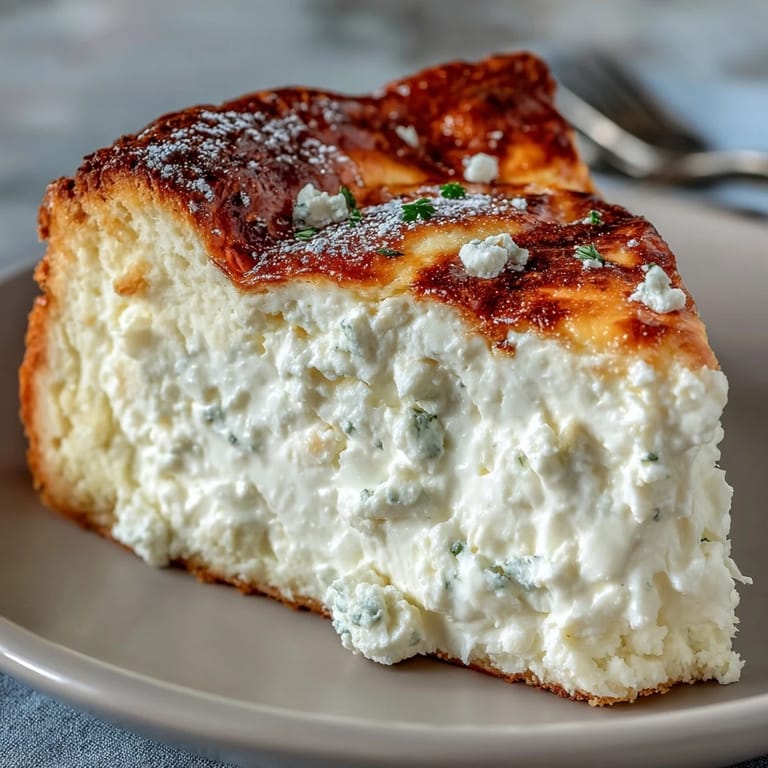
 There's something almost spiritual about cutting into a homemade pie and watching that creamy filling hold its shape perfectly, all golden and studded with visible lemon zest. That's the moment you realize you're not just following instructions—you're creating something that belongs at a table surrounded by people you love.
The Art of a Perfect Pastry
The pastry is where most home bakers stumble, but it's actually forgiving once you understand the principle: cold butter creates steam pockets, and steam creates flakiness. The moment you feel the dough come together, stop mixing. Overworking it develops gluten, which makes everything tough. Think of it like a gentle conversation rather than an interrogation—quick, confident moves, then let the cold do the rest.
Lemon: The Soul of This Pie
The lemon zest is what transforms ricotta from creamy to transcendent, and Maria taught me to grate it directly over the filling so none of those precious oils escape. Fresh lemon juice adds brightness without acidity, creating this perfect balance where you taste lemony without tasting sour. If you're ever uncertain whether you've got enough, remember that the filling should make your mouth water slightly when you taste a tiny spoonful before baking.
Serving and Storing
This pie is absolutely stunning served at room temperature with fresh berries scattered on top, though it's equally lovely chilled straight from the refrigerator on a warm afternoon. It keeps beautifully for three days in the fridge, covered loosely with plastic wrap, and honestly tastes even better on day two when the flavors have time to settle.
- Dust with powdered sugar right before serving, not hours ahead, or it'll dissolve into the filling.
- A fresh mint leaf or candied lemon peel on top makes an ordinary dessert look like it came from a bakery.
- Serve with a small glass of sweet wine or strong espresso to match the elegance of what you've just made.
 Save to Pinterest
 Every time you make this, you're continuing a tradition that's older than most of us, and that matters. The act of bringing lemon and ricotta together in pastry is something people have been doing for generations, and now it's yours to share.
Questions & Answers
- → What type of cheese is used in the filling?
Whole milk ricotta cheese is used to create a creamy and slightly sweet filling.
- → How does lemon zest affect the flavor?
Lemon zest adds a bright, fresh citrus aroma that enhances the richness of the ricotta.
- → Can the crust be made gluten-free?
Yes, gluten-free flour can substitute all-purpose flour for a gluten-free crust alternative.
- → What is the best way to ensure the crust stays tender?
Chilling the dough before rolling and baking helps maintain a tender, flaky crust.
- → How long should the pie cool before serving?
Allow the pie to cool completely and chill for at least 2 hours to set the filling properly.
- → Are there optional garnishes to enhance presentation?
Fresh berries and a light dusting of powdered sugar provide a festive and attractive finish.