 Save to Pinterest
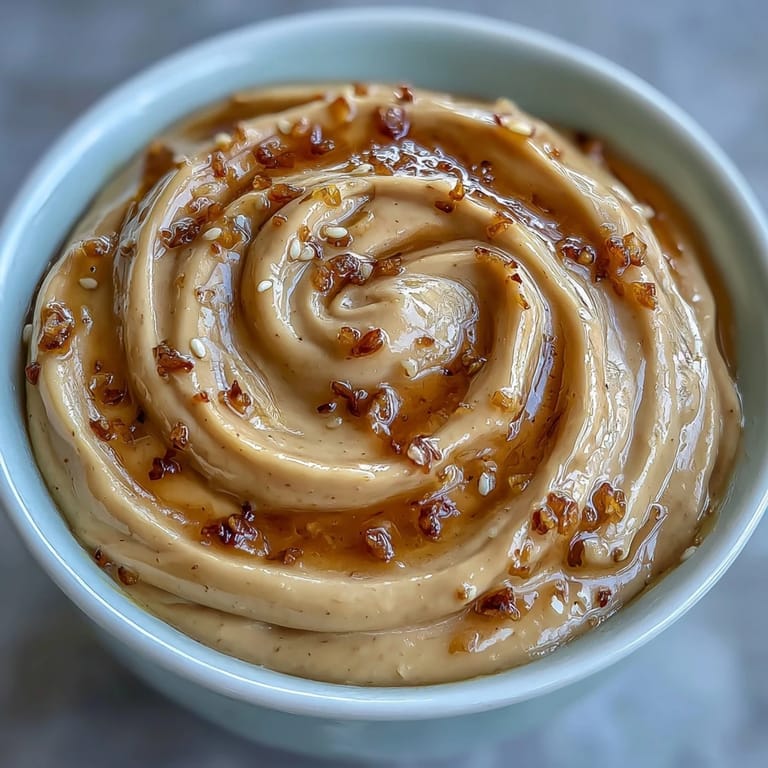
 I discovered tahini dressing by accident one weeknight when I had a bowl of roasted chickpeas and vegetables staring at me with no sauce in sight. A friend had left a jar of tahini on my counter weeks before, and instead of letting it sit unused, I grabbed it along with a lemon and started whisking. What emerged was something so silky and bright that I've made it constantly ever since—it's become my answer to almost every salad, wrap, and grain bowl crisis.
The first time I served this to friends at a casual dinner party, I almost didn't mention it was homemade—but then someone asked for the recipe before finishing their salad. That moment when a simple dressing becomes the thing people remember from the meal is when I knew this deserved a permanent spot in my cooking rotation.
Ingredients
- Tahini: The foundation of everything—look for a jar that's smooth and pourable, not separated with oil sitting on top, and taste it first to make sure it's not bitter or rancid.
- Fresh lemon juice: Never use bottled here; the brightness comes from real citrus, and you'll taste the difference immediately.
- Extra-virgin olive oil: This adds silkiness and prevents the dressing from tasting one-dimensional.
- Water: Your secret weapon for consistency—add it gradually to hit that perfect pourable texture.
- Garlic: A single clove does the heavy lifting; grate it on a microplane if you have one for the smoothest integration.
- Maple syrup or honey: Just enough to round out the flavors and soften any sharp edges without making it sweet.
- Fine sea salt: A light hand here matters more than you'd think—you can always add more.
- Ground cumin: Optional but transforms this from good to memorable with its warm, earthy whisper.
Tired of Takeout? 🥡
Get 10 meals you can make faster than delivery arrives. Seriously.
One email. No spam. Unsubscribe anytime.
Instructions
- Start with the base:
- Pour the tahini into your bowl and add the lemon juice slowly while whisking steadily. You'll watch it transform from thick paste into something creamy and light—this is the magic moment where everything begins to emulsify.
- Build the flavor:
- Add the olive oil and water, continuing to whisk until you have something smooth and cohesive. Once the base is right, fold in the garlic, sweetener, salt, and cumin, tasting as you go.
- Perfect the consistency:
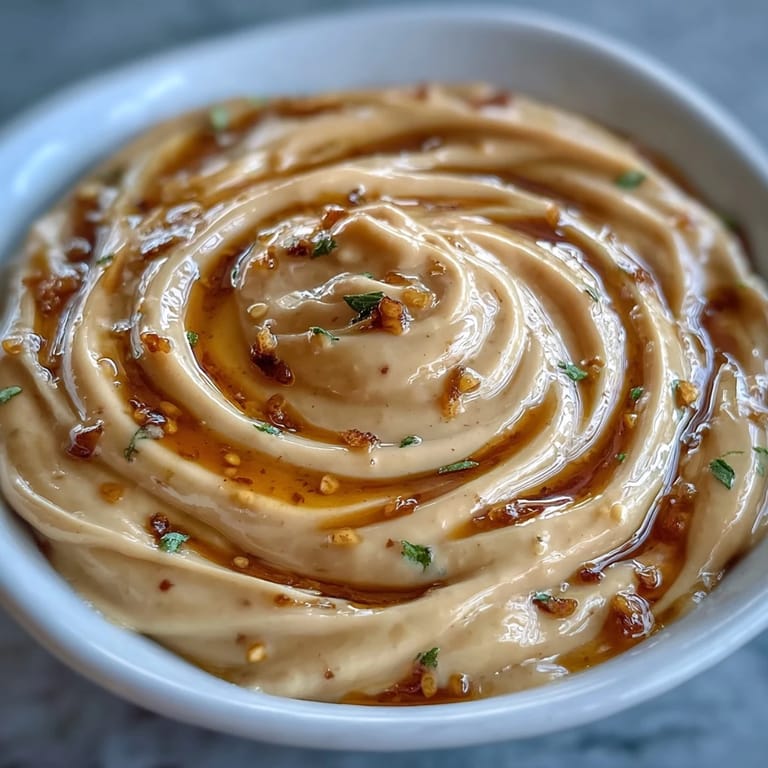
- The dressing should pour but cling to vegetables; if it's too thick, add water one tablespoon at a time and whisk between additions. If it becomes too thin, you can't reverse it, so patience here prevents frustration.
- Taste and adjust:
- This is where the dressing becomes yours—maybe you want more lemon brightness, or perhaps a touch more salt to make everything pop. Trust your palate.
- Store or serve:
- Use immediately or transfer to an airtight container where it keeps beautifully in the refrigerator for up to five days. Before using leftovers, give it a stir or shake since tahini tends to settle.
 Save to Pinterest
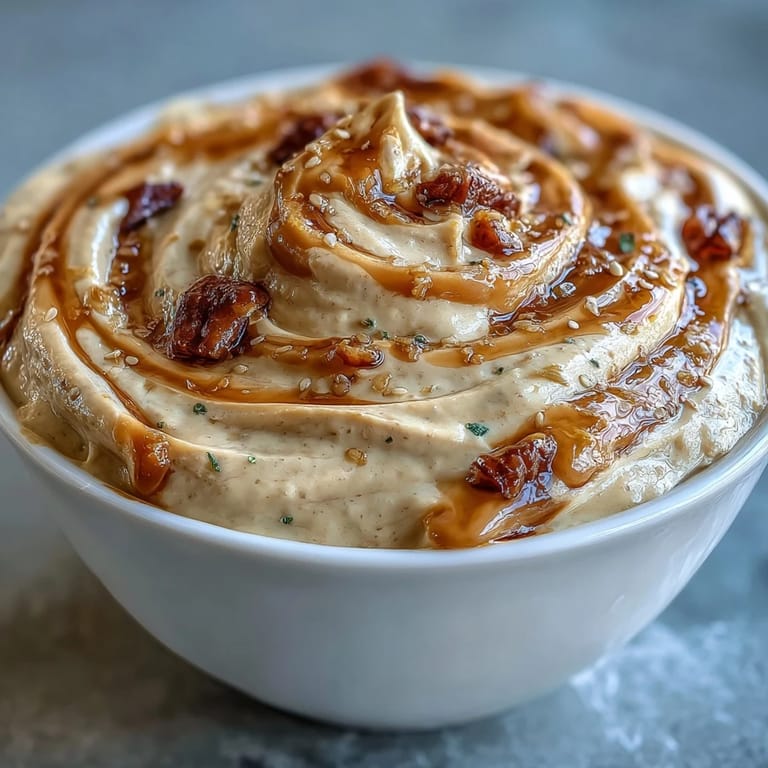
 There's a moment when you taste tahini dressing for the first time and realize how something so simple—just seeds ground into butter, lemon, and salt—can taste so complete. It stopped being just a condiment and became a small ritual in my kitchen, the thing I reach for when I want to turn a scattered collection of ingredients into something intentional.
When to Use This Dressing
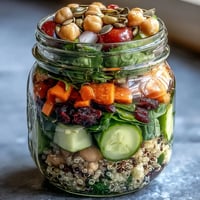
I've learned through happy accidents that tahini dressing works almost everywhere. It clings to warm grains without sliding off, brightens bitter greens, softens the earthiness of roasted vegetables, and makes simple proteins feel dressed up. The key is that it plays well with almost everything without demanding to be the star.
How to Customize It
The beauty of this base recipe is how flexible it becomes once you understand the proportions. Fresh herbs like parsley, cilantro, or dill can be whisked in at the end, and I've found that everything from pomegranate molasses to harissa paste can live in this dressing without overwhelming its gentle tahini backbone. Start small with add-ins and build from there.
Storing and Keeping It Fresh
Tahini dressing keeps longer than you'd expect in a sealed container, staying creamy and usable for nearly a week. The texture may thicken slightly as it sits, which is why a quick stir or shake before using brings it back to life. I've learned to label mine with the date just so I remember when I made it, though honestly it rarely lasts that long.
- Store in the coldest part of your refrigerator in a glass jar or sealed container.
- If it thickens too much, thin it with a splash of water and whisk until smooth again.
- Let it come close to room temperature before serving for the best flavor and texture.
 Save to Pinterest
 This dressing has become one of those recipes I make without thinking, the way some people have a go-to coffee order. It's taught me that the most useful recipes in a kitchen are often the simplest ones.
Questions & Answers
- → What ingredients create the base flavor?
Sesame tahini provides a creamy foundation, enhanced by fresh lemon juice, olive oil, and minced garlic for bright, savory notes.
- → How can I adjust the sauce consistency?
Adding extra water, one tablespoon at a time, thins the sauce to a preferred pourable texture without diluting the flavor.
- → Can I make the flavor sweeter or more balanced?
Incorporating maple syrup or honey gently balances the tanginess of lemon and the robustness of tahini for a harmonious taste.
- → What are good pairings for this sauce?
It complements fresh salads, wraps, grain bowls, roasted vegetables, and even grilled tofu or falafel for added richness.
- → Are there optional seasoning additions?
Ground cumin gives depth and warmth, while fresh herbs like parsley or cilantro enhance the aroma and complexity of the sauce.