 Save to Pinterest
 My grandmother's cast-iron skillet had a seasoning that came from decades of Sunday dinners, and the first time she let me make cornbread in it, I understood why she guarded that pan like treasure. The batter sizzled the moment it hit that preheated, buttered surface, and the smell that filled her kitchen was pure golden comfort. She stood nearby with a small bowl of honey butter already prepared, knowing exactly when I'd pull it from the oven. That skillet taught me that some of the best things in life need heat, patience, and a little bit of butter.
I brought this cornbread to a potluck once, nervous nobody would touch it because everyone assumed it was heavy or dry. Within minutes, someone was asking for the recipe, then someone else, and suddenly I was writing it on the back of a napkin for a stranger who promised to make it that very weekend. That's when I realized cornbread isn't just food, it's a conversation starter that tastes like home.
Ingredients
- Yellow cornmeal: This is the backbone of the recipe, giving that distinctive corn flavor and tender crumb that makes people close their eyes when they bite into it.
- All-purpose flour: The flour helps structure everything so the cornbread holds together without becoming dense or cakey.
- Granulated sugar: Just enough sweetness to balance the corn's earthiness without making it taste like dessert.
- Baking powder and baking soda: These create the gentle rise that keeps cornbread tender and gives it that perfect slight dome on top.
- Fine salt: A pinch brings out the corn flavor and makes the honey butter taste even more luxurious.
- Whole milk or buttermilk: Whole milk creates a tender crumb, but buttermilk adds a subtle tang that some people swear makes it taste more authentic.
- Eggs: They bind everything together and help create that golden-brown exterior when the batter hits the hot skillet.
- Melted butter and vegetable oil: The combination of both creates moisture and richness while keeping the texture light, not greasy.
- Cast-iron skillet butter: This 2 tablespoons in the hot pan is non-negotiable, it creates those crispy, caramelized edges that make people scrape the corners.
- Softened butter for honey butter: It needs to be soft enough to whip smooth, which means taking it out of the fridge about an hour before you start cooking.
- Honey: Raw honey swirled into softened butter becomes something almost magical, melting into warm cornbread like liquid gold.
Tired of Takeout? 🥡
Get 10 meals you can make faster than delivery arrives. Seriously.
One email. No spam. Unsubscribe anytime.
Instructions
- Get your skillet hot and ready:
- Preheat your oven to 425°F and place a 10-inch cast-iron skillet inside while you mix everything else. This preheating step is what transforms ordinary cornbread into something with crispy, caramelized edges that taste like they've been fried in butter.
- Combine the dry ingredients:
- In a large bowl, whisk together the cornmeal, flour, sugar, baking powder, baking soda, and salt until everything is evenly distributed. This whisking helps break up any lumps and makes sure the leavening is spread throughout so every bite rises evenly.
- Mix the wet ingredients:
- In a separate bowl, whisk the milk, eggs, melted butter, and vegetable oil until they're well combined and slightly frothy. The whisking incorporates a little air into the batter, which contributes to that tender, light crumb.
- Bring it all together gently:
- Pour the wet ingredients into the dry ingredients and stir until just barely combined, with a few streaks of flour still visible. Overmixing is the enemy here because it develops gluten and makes cornbread tough instead of tender.
- Toast the skillet with butter:
- Carefully pull the hot skillet from the oven and add 2 tablespoons of butter, swirling it quickly to coat the bottom and sides. The sizzle you hear and smell means you're ready for the next step.
- Pour and smooth:
- Pour the batter into the hot, buttered skillet and smooth the top with a spatula so it bakes evenly. The batter will sizzle and start cooking immediately, which is exactly what you want.
- Bake until golden:
- Slide the skillet into the oven and bake for 20 to 25 minutes, until the top is deep golden brown and a toothpick inserted in the center comes out clean. The edges will pull away slightly from the pan when it's done.
- Make the honey butter:
- While the cornbread bakes, beat softened butter with honey and a pinch of salt in a small bowl until it's smooth and fluffy. This only takes a few minutes and will be ready just as the cornbread comes out of the oven.
- Cool just enough to handle:
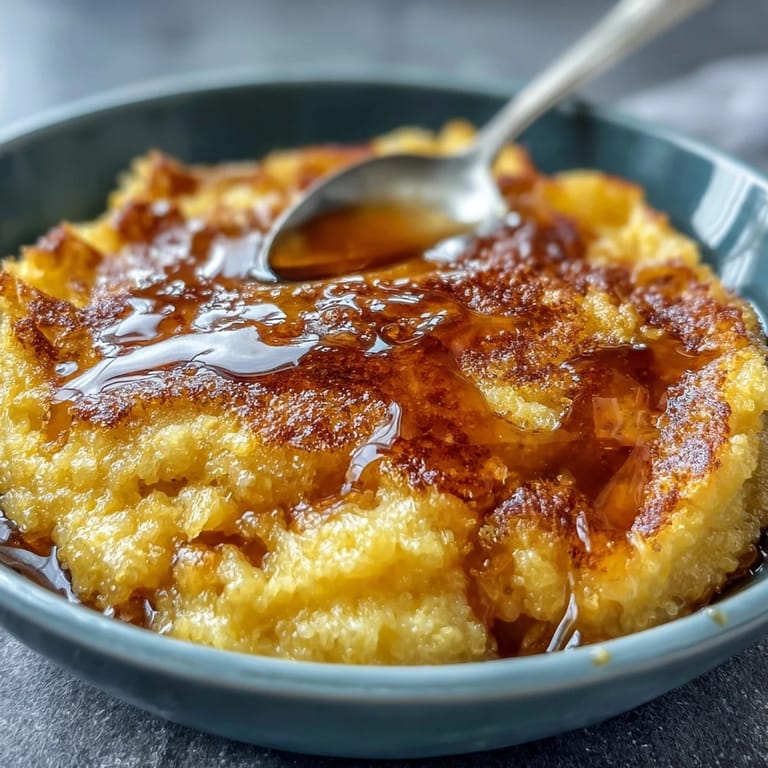
- Let the cornbread rest in the skillet for 5 to 10 minutes before slicing, which gives it time to set slightly while still being warm enough for the honey butter to melt into every crevice.
 Save to Pinterest
 My neighbor once told me she served this cornbread at her daughter's graduation party, and it became the thing people asked about more than they asked about the graduate. Sometimes the smallest gesture of warmth, baked in cast iron with honey butter on the side, means more than anything we could say out loud.
Why Cast Iron Matters
Cast iron isn't just nostalgic, it's actually the best tool for this job because it heats evenly and retains that heat so completely that the bottom and sides of your cornbread get this beautiful caramelization that you can't replicate in a regular baking pan. The weight of cast iron also means it won't cool down when you pour the cold batter into it, so the sizzle continues and that crust keeps developing. If you don't have cast iron, a preheated metal 9-inch round or square baking pan works in a pinch, but you'll miss some of that magic.
Variations to Explore
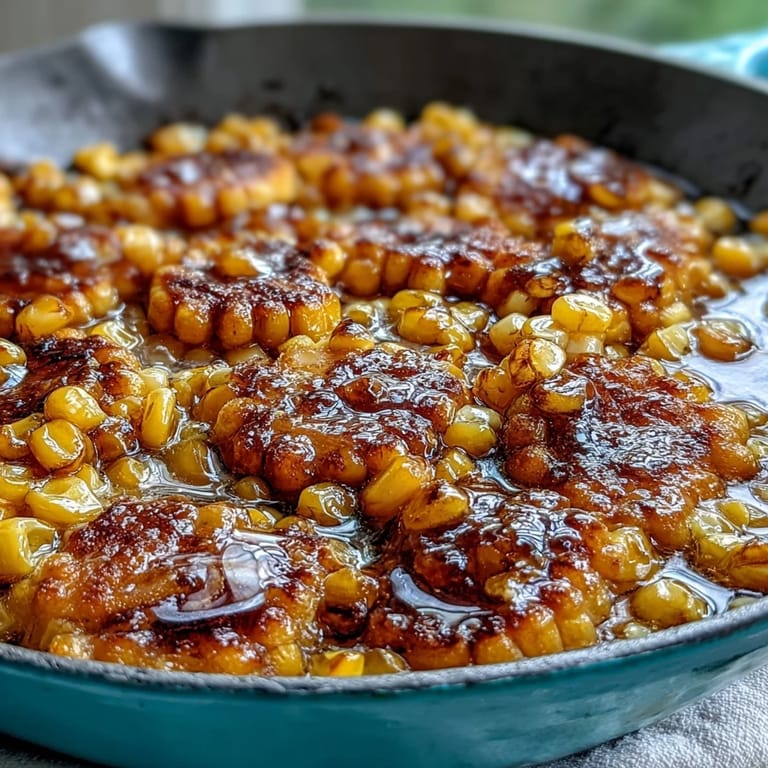
Once you've made this classic version a few times and it becomes second nature, the fun part is experimenting with additions that make it your own. I've added fresh corn kernels for sweetness, sharp cheddar for savory depth, and roasted jalapeños for a gentle heat that nobody expects in cornbread. Each addition changes the personality of the dish without losing that core comfort food feeling.
Serving and Storage
Cornbread is best served warm from the skillet, with that honey butter melting into every bite, but it's also wonderful the next day warmed gently in the oven or split and toasted. Store leftover cornbread covered at room temperature for up to two days, or wrap it well and freeze it for up to three months. Thaw it at room temperature and warm it briefly in a 350°F oven to bring back that just-baked softness.
- Serve alongside barbecue, chili, or fried chicken for the ultimate comfort meal.
- Leftover cornbread makes incredible cornbread dressing during the holidays.
- A square of cold cornbread with honey butter is a perfect afternoon snack straight from the refrigerator.
 Save to Pinterest
 This cornbread has a way of making people slow down and remember why they love eating, why gathering around warm food matters, and why butter makes everything better. Make it this weekend and see what conversations it starts.
Questions & Answers
- → What makes this cornbread moist?
The combination of milk, eggs, melted butter, and oil creates a tender, moist texture balanced by the crispy skillet edges.
- → Why use a cast-iron skillet?
Preheating the cast-iron skillet ensures even heat distribution, producing a golden crust and soft interior.
- → Can I substitute buttermilk for milk?
Yes, buttermilk adds a slight tang and enhances richness and tenderness in the batter.
- → How is the honey butter made?
Softened butter is whipped with honey and a pinch of salt until smooth and fluffy, perfect for spreading on warm cornbread.
- → Are there any suggested add-ins?
You can add corn kernels, shredded cheddar, or diced jalapeños for extra flavor and texture variety.