 Save to Pinterest
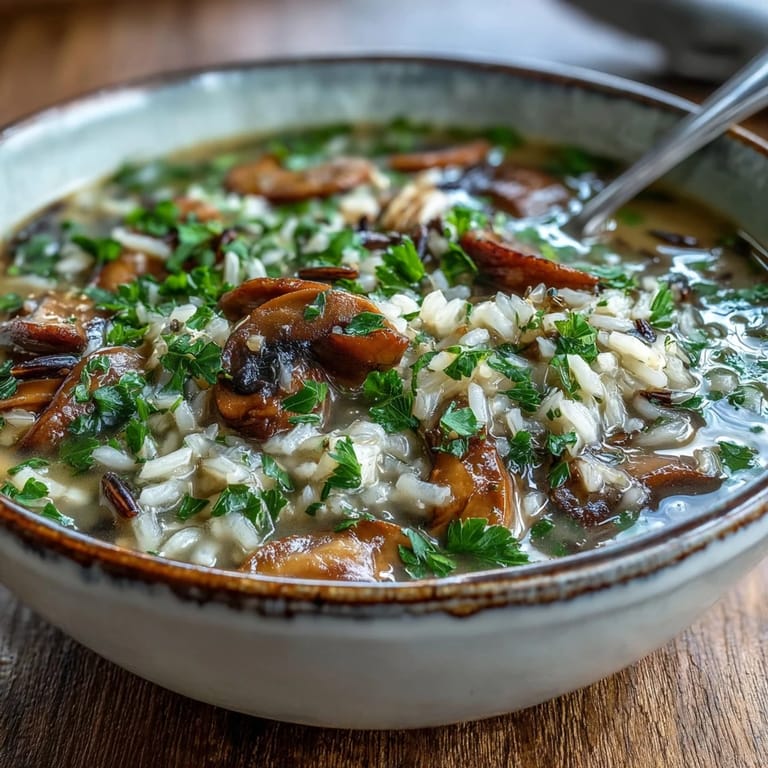
 The first winter my partner and I moved to Minnesota, I became obsessed with local cuisine and stumbled upon wild rice soup at a small lakeside diner. Through the window, snow was falling gently on the frozen lake while inside, the steam from my bowl fogged my glasses with each spoonful. That perfect balance of earthiness from mushrooms and the nutty chew of wild rice made me determined to recreate it at home. After several attempts tweaking proportions and techniques, this version finally captured that cozy afternoon by the lake.
Last autumn, when my sisters family visited during a particularly cold snap, I made this soup as part of our welcome dinner. My normally picky niece not only asked for seconds but watched intently as I ladled it into her bowl, asking if she could help make it next time. The kitchen was filled with aromatic herbs and mushrooms, creating the perfect backdrop for catching up on months of missed conversations while chopping vegetables together.
Ingredients
- Mixed wild mushrooms: I learned through trial and error that a combination of mushrooms creates layers of flavor you just cant get from one type, with creminis providing earthiness while shiitakes add that unmistakable umami depth.
- Wild rice: True wild rice, not a blend, gives this soup its distinctive nutty flavor and satisfying texture that holds up beautifully even when reheated.
- Fresh herbs: Fresh thyme and rosemary make a noticeable difference, infusing the broth with their oils in a way dried herbs simply cant match.
- Heavy cream: Adding this at the very end creates a silky texture without dulling the other flavors, though plant based alternatives work surprisingly well too.
- Soy sauce: This might seem unusual, but a touch of soy sauce enhances the mushroom flavor without making the soup taste Asian-inspired at all.
Tired of Takeout? 🥡
Get 10 meals you can make faster than delivery arrives. Seriously.
One email. No spam. Unsubscribe anytime.
Instructions
- Build the aromatic base:
- Heat olive oil in your largest soup pot and add the onion, celery and carrots, letting them sweat until soft but not browned. Youll know theyre ready when the kitchen fills with a sweet, vegetal aroma and the onions become translucent.
- Awaken the herbs:
- Add the garlic, thyme, rosemary and bay leaf, stirring constantly so the garlic doesnt burn. The fragrance will suddenly intensify, signaling its time for the next step.
- Cook the mushrooms properly:
- Add all your mushrooms and resist the urge to stir too frequently. Let them release their moisture and then brown slightly, concentrating their earthy flavor.
- Create the roux base:
- Sprinkle flour over everything and stir until the vegetables look slightly coated and the raw flour smell disappears. This quick cooking prevents that pasty flour taste from developing.
- Develop the broth:
- Pour in the vegetable broth gradually while stirring, making sure no lumps form. The liquid should immediately start to thicken slightly as it hits the roux.
- Simmer to perfection:
- Add the wild rice and soy sauce, then allow everything to simmer until the rice blooms open and becomes tender. Youll need patience here as wild rice takes significantly longer than white rice.
- Finish with richness:
- Remove that bay leaf before stirring in the cream and parsley. The soup will transform before your eyes, becoming silky and unified.
- Season thoughtfully:
- Taste before adding salt as the vegetable broth and soy sauce already contribute saltiness. Freshly ground black pepper brightens all the flavors.
 Save to Pinterest
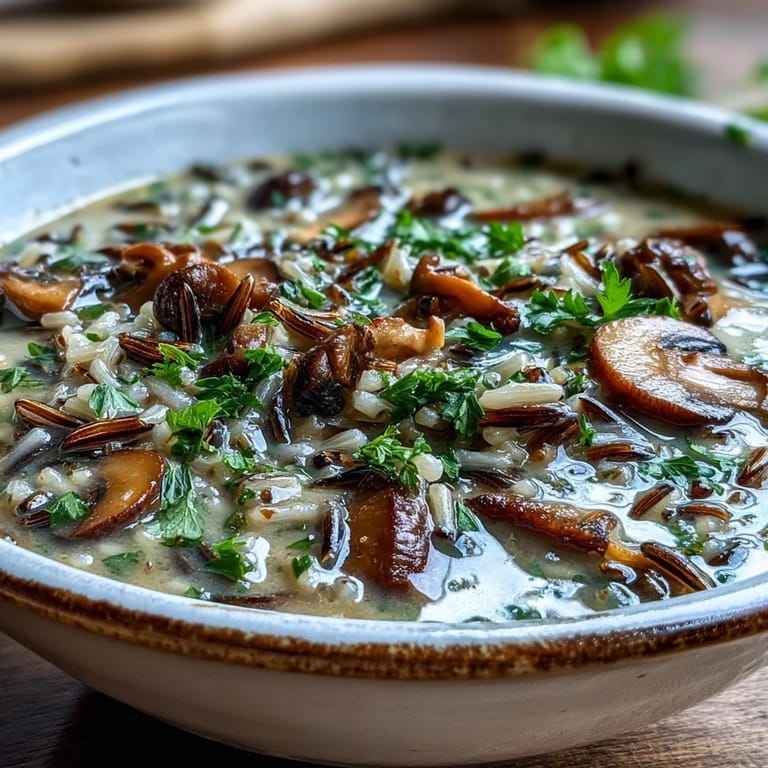
 On a particularly difficult day last year when work had been overwhelming, I came home to find my partner had made this soup from my recipe, without any special occasion. The familiar aroma hit me the moment I opened the front door, instantly melting away the days stress. We sat at our kitchen island, steam rising between us, barely talking but sharing something more important than conversation. Sometimes comfort doesnt need words.
Make It Your Own
Over the years Ive discovered this recipe welcomes customization based on whats available. When shiitakes were too expensive one week, I substituted more affordable button mushrooms with just a few dried porcinis rehydrated in hot water. The soaking liquid went into the broth, and nobody missed the more expensive varieties. Another time when the grocery was out of fresh herbs, I used dried but added them earlier in the cooking process to give them time to rehydrate and release their essential oils.
Storage and Reheating
What continues to amaze me about this soup is how it transforms in the refrigerator. The wild rice absorbs more flavor overnight, and the next day its even better than when first made. I typically store individual portions in glass containers, making weekday lunches feel like a special treat rather than leftovers. When reheating, I learned to add a small splash of broth or water as the rice continues absorbing liquid even after cooling.
Serving Suggestions
The first time I served this soup at a dinner party, I worried it wouldnt be substantial enough as a main course, but paired with a simple green salad and crusty artisan bread, it received more compliments than any elaborate meal Id ever prepared. For a more casual gathering, I sometimes ladle it into mugs rather than bowls, allowing guests to sip while mingling.
- Serve with a rustic sourdough bread for sopping up every last drop of the creamy broth.
- A simple side salad with a bright vinaigrette balances the rich, earthy flavors perfectly.
- For wine lovers, a light-bodied Pinot Noir or unoaked Chardonnay complements without overwhelming the soups subtle notes.
 Save to Pinterest
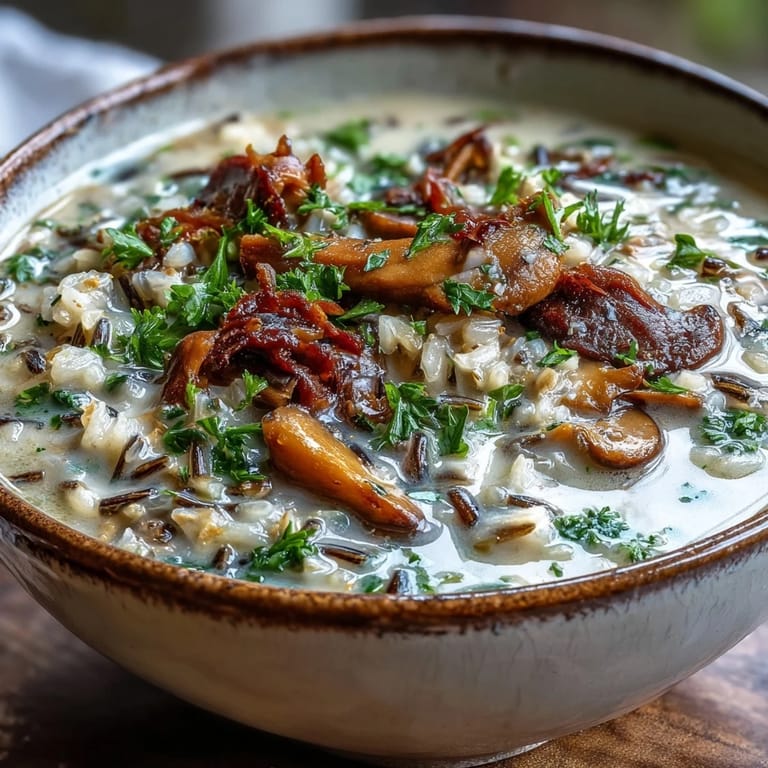
 This wild rice mushroom soup has become more than just a recipe in my household, its a ritual of comfort that signals the changing seasons and brings people together. Whenever the temperature drops or someone needs nurturing, the pot comes out and the healing begins.
Questions & Answers
- → Can I make this soup ahead of time?
Absolutely. This soup actually tastes better the next day as flavors have time to meld. Store in an airtight container in the refrigerator for up to 4 days. Reheat gently over medium-low heat, adding a splash of broth if it has thickened too much.
- → Can I freeze wild rice mushroom soup?
Yes, though the texture may change slightly. Freeze before adding the cream for best results. When ready to serve, thaw overnight in the refrigerator, reheat, then stir in the cream during the final few minutes of warming. Without cream, the soup freezes well for up to 3 months.
- → What mushrooms work best in this soup?
Mixed wild mushrooms provide the best depth. Cremini offer earthiness, shiitake bring umami richness, and oyster mushrooms add delicate texture. Button mushrooms can substitute, but the flavor will be milder. Dried porcini mushrooms reconstituted in hot water also add incredible depth.
- → How do I make this soup vegan?
Replace the heavy cream with full-fat coconut milk, cashew cream, or your favorite plant-based cream alternative. Use a gluten-free flour blend if needed, and ensure your soy sauce is labeled gluten-free. The result remains creamy and satisfying.
- → Why is my wild rice still hard after cooking?
Wild rice requires a longer cooking time than regular rice—typically 40-45 minutes of simmering. Ensure you're using true wild rice, not a wild rice blend which may contain different rice varieties that cook at different rates. Adding a bit more broth and continuing to simmer usually resolves this.
- → Can I use quick-cooking wild rice?
Quick-cooking or parboiled wild rice can work, but it lacks the chewy texture and nutty flavor of authentic wild rice. If using, reduce the simmering time to 15-20 minutes and add it during the last 20 minutes of cooking to prevent it from becoming mushy.