 Save to Pinterest
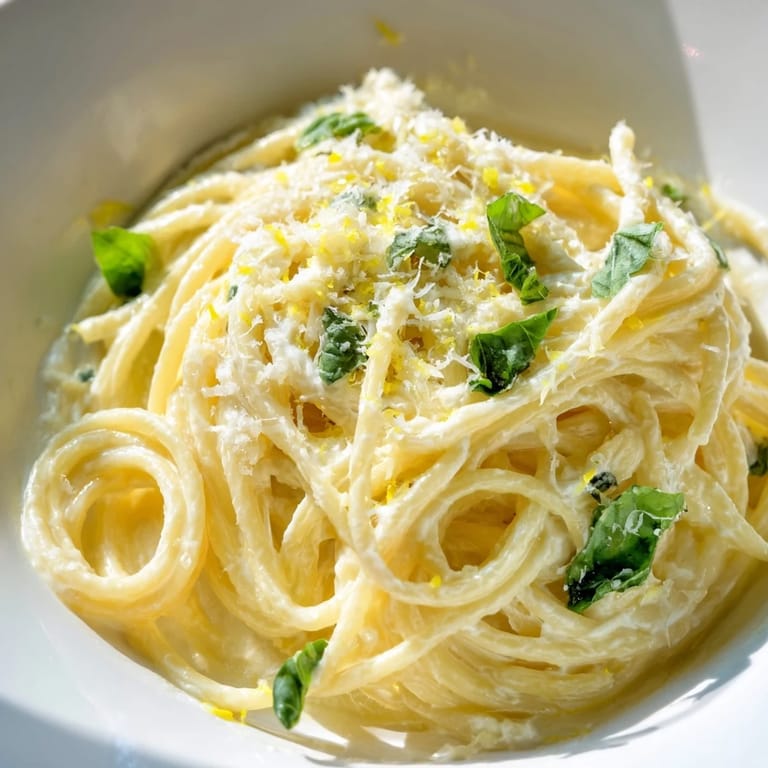
 One Tuesday in late spring, I opened my fridge to find half a tub of ricotta, a lonely lemon, and absolutely no plan for dinner. The pasta water was already boiling when I grabbed the zester and decided to just see what happened. What came together in under twenty minutes tasted like something I'd order at a quiet trattoria, the kind of dish that makes you wonder why you ever overthought weeknight cooking. My neighbor wandered in just as I was twirling the first forkful, took one bite from my bowl, and asked if I'd made reservations somewhere. I handed her a plate instead.
I made this for my sister the weekend she moved into her first apartment, back when her kitchen consisted of two pots and a wooden spoon. She sat on a folding chair with the bowl in her lap, and we ate in silence for a few minutes before she looked up and said it tasted like hope. I think she meant it tasted like starting over, like simplicity that actually satisfies. Every time I make it now, I think of that tiny kitchen and how much can change when you stop waiting for the perfect moment to cook something good.
Ingredients
- Spaghetti: Use good quality pasta here because it really is the star, and cook it just until al dente so it has a little bite when it meets the creamy sauce.
- Ricotta cheese: Whole-milk ricotta makes all the difference in richness and texture, the skim stuff can turn grainy and sad when tossed with hot pasta.
- Lemon: You need both the zest and the juice, the zest brings floral brightness and the juice cuts through the richness without making things sour.
- Parmesan cheese: Freshly grated is non-negotiable, the pre-shredded kind has anti-caking agents that make the sauce gritty instead of silky.
- Olive oil: A fruity extra-virgin olive oil adds a peppery note that rounds out the whole dish, use the good stuff you'd drizzle on bread.
- Garlic: Just one small clove finely grated adds a whisper of sharpness without overpowering the delicate lemon and ricotta.
- Fresh herbs: Basil feels summery and sweet, parsley is a little more grassy and bright, either one finishes the dish with a pop of green.
Tired of Takeout? 🥡
Get 10 meals you can make faster than delivery arrives. Seriously.
One email. No spam. Unsubscribe anytime.
Instructions
- Boil the pasta:
- Bring a large pot of water to a rolling boil and add enough salt that it tastes like the sea, then cook your spaghetti until it still has a tiny bit of resistance when you bite it. Before draining, scoop out half a cup of that starchy pasta water, it's liquid gold for bringing the sauce together.
- Mix the sauce:
- While the pasta bubbles away, whisk together the ricotta, lemon zest, lemon juice, Parmesan, olive oil, grated garlic, pepper, and salt in a big bowl until it looks like fluffy clouds. This only takes a minute or two, and you'll see it transform from grainy to completely smooth.
- Toss it all together:
- Drop the hot drained spaghetti right into the bowl with the ricotta mixture and start tossing with tongs, adding splashes of that reserved pasta water until every strand is glossy and coated. The heat from the pasta warms the sauce and the starch from the water makes everything cling in the most satisfying way.
- Serve and garnish:
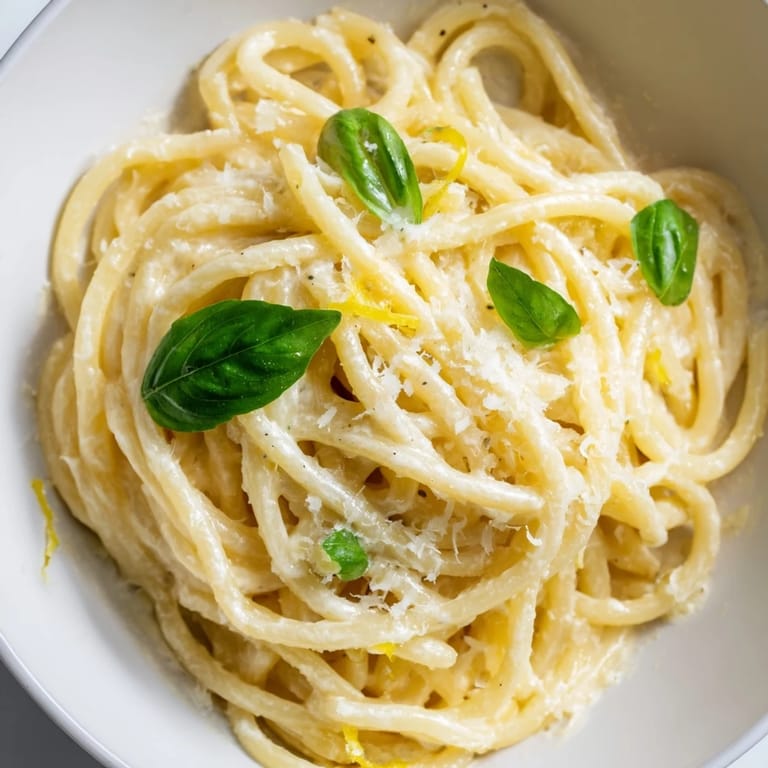
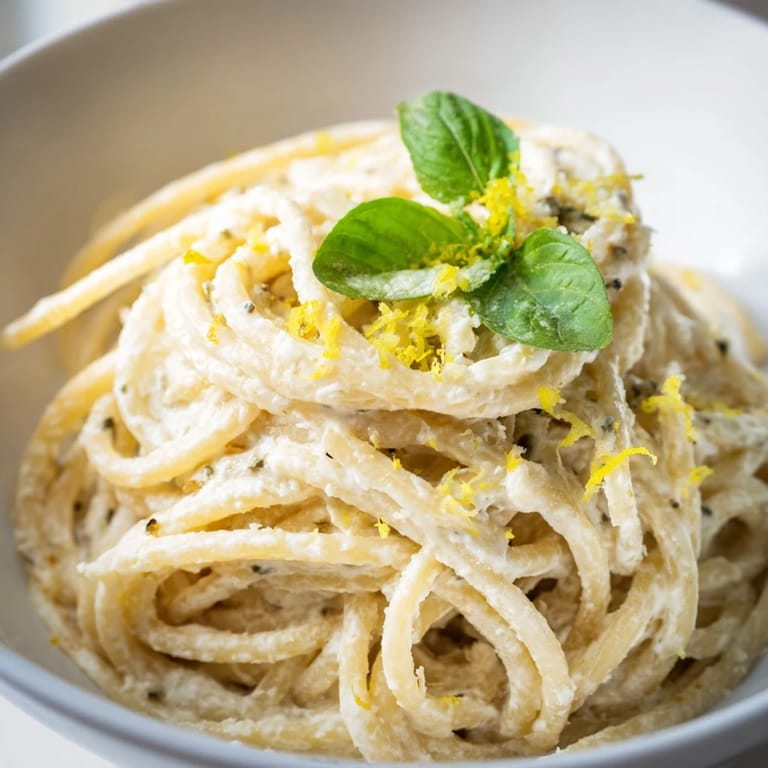
- Divide the pasta among bowls while it's still steaming, then shower each serving with extra Parmesan, a handful of torn herbs, more lemon zest, and a few cracks of black pepper. Eat it immediately, this dish is best when it's so hot you have to blow on your fork.
 Save to Pinterest
 Last summer I brought this to a potluck and watched a friend's teenage son go back for thirds, scraping the bottom of the bowl with his fork. His mom caught my eye across the table and mouthed thank you, and I realized this wasn't just about the pasta. Sometimes the simplest food is the one that makes people feel cared for, the kind that doesn't demand anything from you except that you sit down and enjoy it. That's when a recipe stops being instructions and starts being a gift.
Making It Your Own
This base recipe is incredibly forgiving and loves additions, so if you have vegetables that need using, toss in blanched asparagus tips, sautéed zucchini coins, or sweet peas in the last minute of tossing. A handful of baby spinach will wilt right into the hot pasta and add color without changing the flavor much. I've stirred in leftover roasted chicken for a heartier meal, and I've also kept it completely vegetable-forward by adding roasted cherry tomatoes that burst and blend into the creamy sauce. If you want more richness, a spoonful of mascarpone or a glug of heavy cream makes it taste downright decadent.
What to Serve Alongside
Because this pasta is light and bright, it pairs beautifully with a simple arugula salad dressed with olive oil and a squeeze of lemon, keeping the whole meal in the same flavor family. Garlic bread is always welcome, but I like to toast slices of good crusty bread and rub them with a cut garlic clove for a more restrained version. A chilled glass of Sauvignon Blanc or Pinot Grigio echoes the citrus notes and cuts through the richness, though sparkling water with a lemon wedge works just as well. If you want something warm, a light vegetable soup as a starter makes this feel like a full Italian supper without any heaviness.
Storing and Reheating
Honestly, this pasta is at its absolute best the moment it's made, but leftovers can be saved in an airtight container in the fridge for up to two days. When you reheat it, add a splash of milk or cream and a little pasta water or regular water to loosen the sauce, because it will thicken and dry out as it sits. I usually reheat it gently in a skillet over low heat, stirring constantly, rather than microwaving which can make the texture weird and rubbery. A fresh grating of Parmesan and a squeeze of lemon right before serving will bring some of that brightness back.
- Store leftovers in a shallow container so they cool quickly and evenly.
- If the sauce breaks or looks grainy after reheating, whisk in a tiny bit of warm water or milk until it comes back together.
- Leftover pasta can also be turned into a frittata by mixing it with beaten eggs and baking until set.
 Save to Pinterest
 There's something quietly powerful about a dish this simple, the way it proves that good cooking doesn't have to be complicated or expensive or time-consuming. Keep a lemon and some ricotta around, and you'll always have a way to turn a regular night into something a little bit special.
Questions & Answers
- → What type of ricotta works best for this dish?
Whole-milk ricotta is preferred as it creates the creamiest, most luxurious sauce. Avoid low-fat varieties, which can result in a thinner consistency.
- → Can I make this ahead of time?
This pasta is best served immediately while hot. However, you can prepare the ricotta-lemon sauce up to 4 hours ahead and refrigerate it. Reheat gently and toss with hot pasta just before serving.
- → How do I get the silky sauce texture?
Reserve pasta water and add it gradually to the ricotta mixture while tossing. The starch in the pasta water emulsifies the sauce, creating a luxurious coating rather than a thick clump.
- → What vegetables pair well with this pasta?
Sautéed spinach, fresh peas, asparagus, or cherry tomatoes all complement the lemon-ricotta flavor. Add them before tossing with the sauce for even distribution.
- → Is this vegetarian?
Yes, it's vegetarian. However, some Parmesan is made with animal rennet. Check labels if you follow a strict vegetarian diet and prefer to use rennet-free cheese.
- → Can I use gluten-free pasta?
Absolutely. Simply substitute your favorite gluten-free spaghetti and follow the same cooking instructions. The sauce works perfectly with any pasta type.