 Save to Pinterest
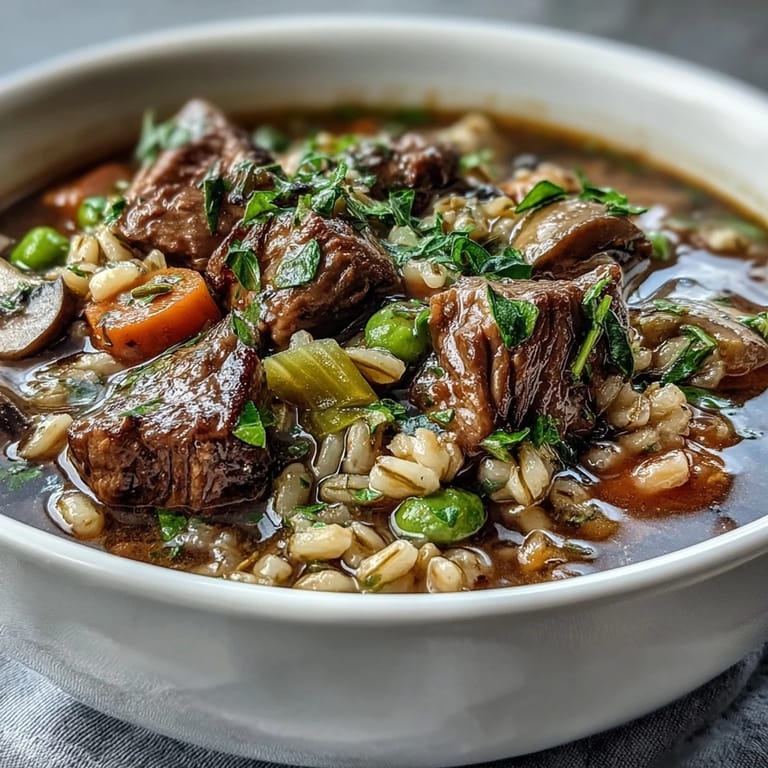
 The first snowfall of winter in Minneapolis always triggers my soup instincts, and this beef and barley soup was born during a particularly fierce blizzard when I was snowed in for two days. Looking through my pantry with limited options, I discovered an unopened package of pearl barley tucked behind some pasta boxes. The rhythmic sound of the soup simmering while wind howled outside created this perfect moment of culinary sanctuary that I've tried to recreate every winter since.
Last February, my neighbor broke her ankle slipping on ice, and I found myself dropping by with containers of this soup twice weekly. Each visit, her color seemed better, and she started referring to it as her healing potion. By the time she was back on her feet, her husband had learned to make the soup himself, texting me questions about browning the beef properly. Now whenever I smell beef and barley simmering, I think of their kitchen and how food creates these unexpected bonds.
Ingredients
- Beef stew meat: Look for chuck with good marbling as leaner cuts can become tough and stringy in soup, and I learned to cut any large pieces into more uniform cubes for even cooking.
- Pearl barley: Always rinse it thoroughly as I once skipped this step and ended up with cloudy soup that had a slightly dusty taste.
- Mushrooms: These are actually optional but add a wonderful earthiness that complements the beef so beautifully I consider them essential.
- Bay leaves: These quiet heroes work magic in the background, and through much experimentation, I found two leaves give the perfect subtle depth without overpowering.
- Beef broth: The foundation of your soup, so use the best quality you can find, as I discovered the difference between boxed and homemade is night and day here.
Tired of Takeout? 🥡
Get 10 meals you can make faster than delivery arrives. Seriously.
One email. No spam. Unsubscribe anytime.
Instructions
- Brown with patience:
- Heat your olive oil until it shimmers across the surface of your pot before adding beef cubes. Resist the urge to crowd the pan or stir too often, letting them develop that beautiful caramelized crust that will flavor the entire soup.
- Build the flavor base:
- After removing the beef, those browned bits stuck to the bottom are pure gold. As your vegetables start to sweat, they'll help you scrape up this flavor treasure, creating that rich foundation that makes homemade soup so different from canned.
- Aromatics next:
- Add your garlic only after the harder vegetables have softened, as garlic burns quickly and can turn bitter. You'll know it's ready when that heavenly fragrance rises from the pot, perfuming your kitchen.
- Reunion time:
- Return the beef to join its vegetable friends, then add your barley, potatoes, and seasonings. This moment when everything comes together always feels like a little kitchen celebration to me.
- The long simmer:
- Lower that heat and let time work its magic. The occasional stir is more about checking in with your creation than necessity, as the ingredients slowly meld into something greater than their parts.
- Final touches:
- Adding the peas near the end preserves their bright color and texture. This is also when you should taste and adjust your seasonings, as salt especially tastes different in the finished product.
- Serving moment:
- Ladle into wide, shallow bowls that showcase all the beautiful components and allow the soup to cool just enough to be enjoyed without burning your tongue. A piece of crusty bread for dipping is non-negotiable in my house.
 Save to Pinterest
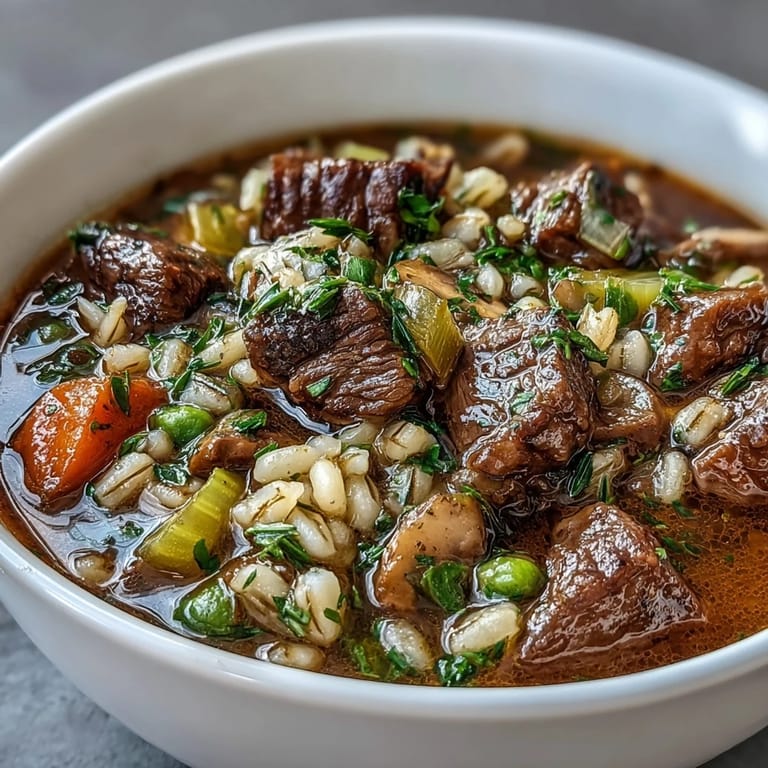
 My son went through a picky eating phase at age six that had me worried about his nutrition, yet somehow this soup became the exception to his no vegetables rule. One evening I watched him carefully eat around the peas, then the next time he tried one and announced, These are actually good in here! Within a month, he was helping me prep the vegetables, proudly dicing carrots with a butter knife. Now in college, he still texts asking for the recipe when the weather turns cold or when finals stress hits.
Make It Your Own
While I love this soup exactly as written, it welcomes your kitchen creativity with open arms. Sometimes I throw in a parmesan rind during simmering which adds this subtle umami depth that people cant quite identify but always compliment. During summer months, I might add fresh herbs like rosemary or toss in handfuls of spinach at the end. The recipe has enough structure to guide you but enough flexibility to become a canvas for whatever inspires you or needs using in your vegetable drawer.
Storage and Leftovers
This soup gets even better on day two as the flavors continue to develop and deepen overnight. The barley does continue absorbing liquid though, so what was soup yesterday might be closer to stew today, which honestly isnt a bad transformation. For freezing, I portion into individual containers leaving an inch of headspace, then label with both the date and contents because that mystery container stage of freezer archaeology rarely ends well in my experience.
Serving Suggestions
While perfectly satisfying on its own, this soup creates a memorable meal when paired thoughtfully. A simple green salad with a bright vinaigrette provides welcome contrast to the soups richness, while a board of sharp cheddar and fruit can turn dinner into an occasion. For those who enjoy wine, the robust flavors stand up beautifully to a medium-bodied red like Merlot or Rhone blends.
- Try finishing each bowl with a small drizzle of good olive oil and fresh cracked pepper for restaurant-worthy presentation.
- Keep some lemon wedges nearby, as a tiny squeeze can brighten and lift the flavors when the soup feels heavy.
- If serving to guests, consider setting out small bowls of toppings like fresh herbs, crispy fried shallots, or grated parmesan to let everyone customize their experience.
 Save to Pinterest
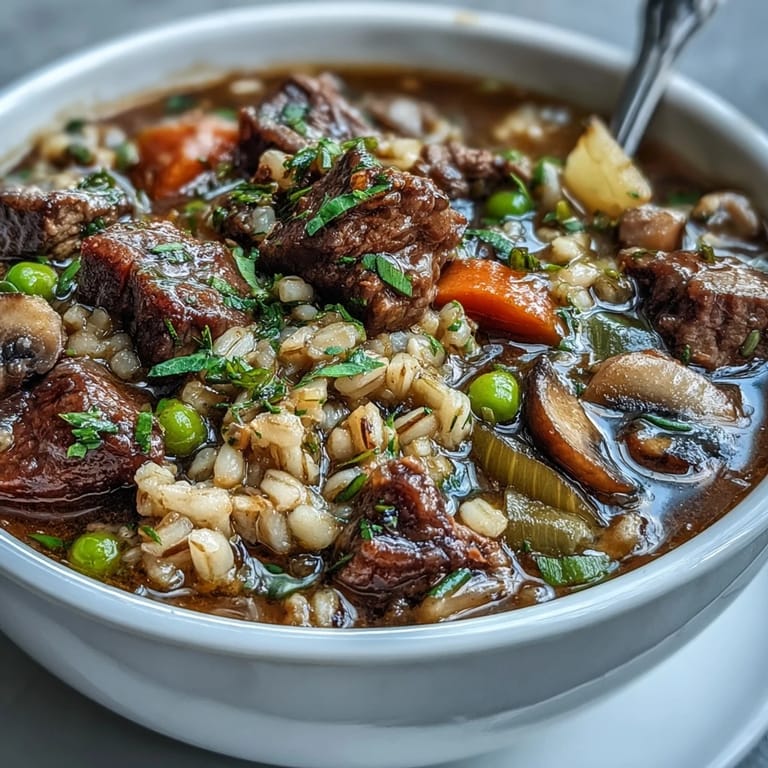
 This beef and barley soup has become more than just dinner in our house, its become a signal, a tradition marking the changing seasons and bringing comfort during difficult times. I hope it finds its way into your regular rotation and creates its own memories around your table.
Questions & Answers
- → How long does beef and barley soup last in the refrigerator?
This soup stores beautifully in the refrigerator for up to 4 days. The barley continues to absorb liquid, so you may need to add a splash of broth when reheating.
- → Can I freeze beef and barley soup?
Yes, this soup freezes well for up to 3 months. The barley texture may become slightly softer after freezing, but the flavor remains excellent. Cool completely before storing in airtight containers.
- → Do I need to soak pearl barley before cooking?
No soaking required. Pearl barley cooks directly in the soup, absorbing the rich beef broth while becoming tender and creamy. This convenient grain adds wonderful texture and heartiness.
- → What cut of beef works best for this soup?
Chuck or stew meat cut into 1-inch cubes is ideal. These cuts become tender and flavorful during long simmering. Browning the beef first adds depth and richness to the final dish.
- → How do I know when the barley is done cooking?
Taste test a grain after about an hour of simmering. Properly cooked pearl barley should be tender with a slight chew, similar to al dente pasta. It should not be mushy or hard in the center.