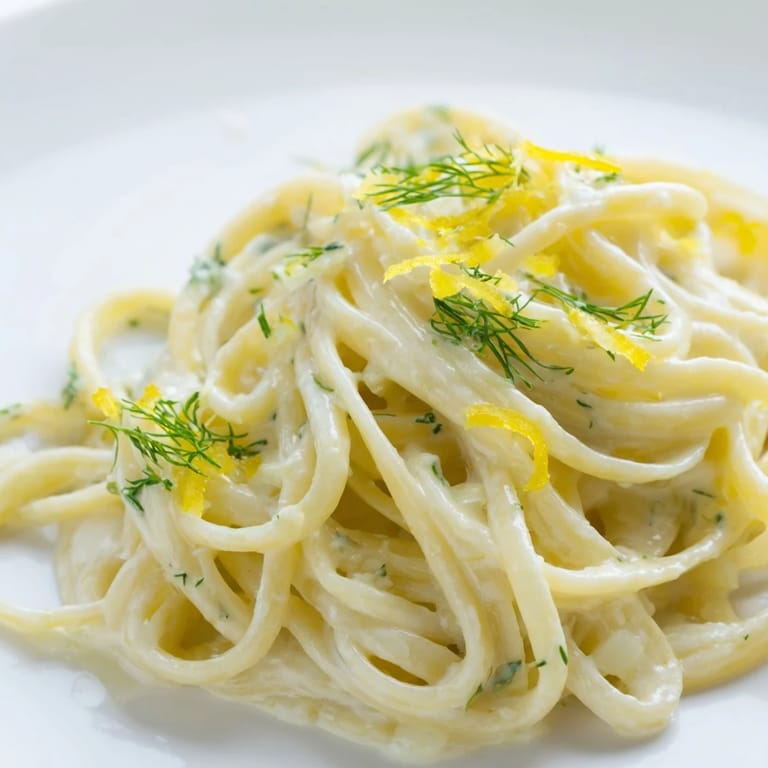
 Save to Pinterest
 There's something about a weeknight when you realize the fridge has butter, cream, and a bunch of fresh dill looking hopeful on the shelf. I threw together this pasta one Tuesday evening when I wanted something that felt restaurant-quality but wouldn't keep me in the kitchen past seven. The lemon zest hit the hot butter and suddenly my whole kitchen smelled like a little Italian coastal town, which seemed like a pretty good sign things were heading in the right direction.
I made this for my neighbor once when she came over stressed about cooking dinner and I had exactly the right things on hand. She walked in mid-sauté, the smell hit her, and she actually sat down and just watched the whole thing come together, which somehow made the moment feel bigger than just pasta. Now whenever she mentions she's having a rough day, I find myself mentally running through whether I have cream and fresh dill.
Ingredients
- Dried pasta (350g): Fettuccine or linguine lets the sauce cling in a way that feels intentional; penne works too if that's what you've got, though the thinner shapes handle the delicate cream better.
- Unsalted butter (2 tbsp): The foundation for everything—don't skip this by using salted butter or you'll be chasing the seasoning.
- Fresh garlic (2 cloves, minced): Two minutes in hot butter is all it takes before it starts smelling like dinner is actually happening.
- Lemon zest (1 lemon): The moment this hits the butter you'll understand why it matters; use a microplane if you have one and take your time so you get the bright oils without the bitter white pith.
- Heavy cream (200ml): This is where richness lives, but don't let it boil hard or it can separate and turn grainy—gentle heat is your friend here.
- Fresh lemon juice (2 tbsp): Squeeze it fresh right when you're ready to pour it in, as bottled juice tastes flat and metallic by comparison.
- Dijon mustard (1 tsp): Just enough to add a whisper of complexity and help emulsify the sauce so it stays silky instead of breaking.
- Salt and black pepper: Taste as you go; you can always add more but you can't take it back.
- Parmesan cheese (40g, grated): Freshly grated makes a difference—pre-grated has anti-caking agents that make it feel sandy in the sauce.
- Fresh dill (3 tbsp chopped, plus extra): Add it at the end so the delicate anise flavor stays bright instead of cooking into something muted and tired.
Tired of Takeout? 🥡
Get 10 meals you can make faster than delivery arrives. Seriously.
One email. No spam. Unsubscribe anytime.
Instructions
- Get the water going and pasta cooking:
- Salt the water generously—it should taste like the sea—then let it come to a rolling boil before adding pasta. While it cooks, you'll have time to make the sauce, and remembering to reserve that starchy pasta water is the small move that turns a good sauce into one that feels luxurious and clings to every strand.
- Build the base in the skillet:
- Melt butter over medium heat, add garlic and lemon zest, and let them get friendly for just a minute. You want to smell the garlic turning sweet, not catch it turning brown and bitter.
- Create the silky sauce:
- Pour in the cream, lemon juice, and mustard, then let it simmer gently—a few small bubbles around the edges, not a rolling boil. This is the moment to taste and adjust, because once you add the cheese, seasoning becomes harder.
- Bring it all together:
- Add the Parmesan off the heat so the cheese melts smoothly into the sauce instead of clumping. Stir until it's completely incorporated and glossy.
- Marry pasta and sauce:
- Toss the drained pasta into the skillet and stir gently, adding reserved pasta water a splash at a time until the sauce coats every piece without pooling at the bottom. The starch from the water is what keeps everything together.
- Finish with dill and herbs:
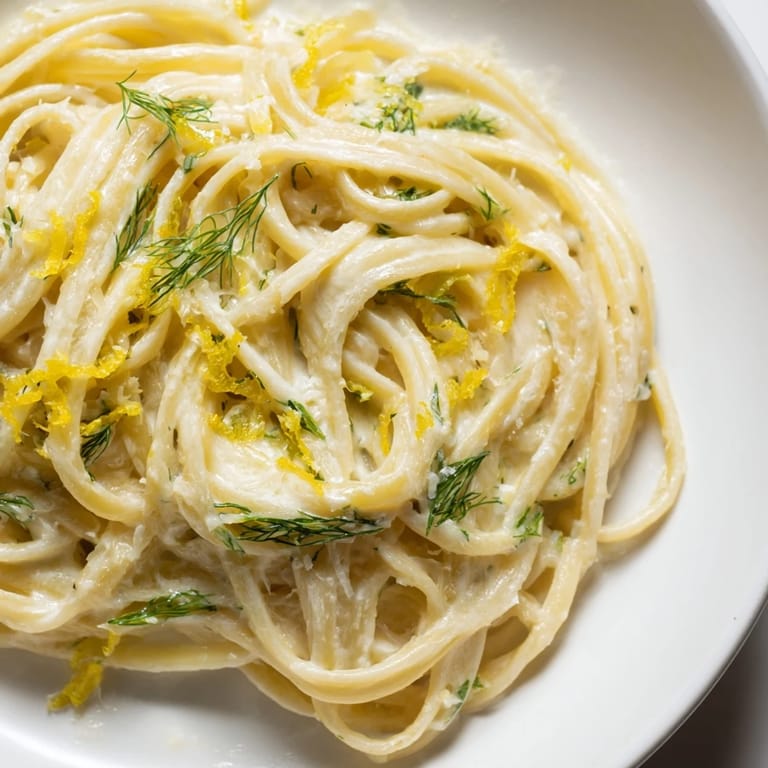
- Stir in the fresh dill and any vegetables you're adding—peas work beautifully—then taste one more time and adjust salt and pepper if needed.
 Save to Pinterest
 The best version of this dish happened on a random Sunday when I had someone over who usually orders takeout, and watching them taste it and actually pause made me realize that sometimes the simplest things, made with attention and fresh ingredients, say something you can't quite put into words. That's when I learned this pasta isn't about impressing anyone—it's about the quiet satisfaction of making something light and elegant that tastes like you care.
Why Fresh Dill Changes Everything
Dill is one of those herbs that people either love immediately or think they don't like, usually because they've only had it cooked to death in something else. But in this sauce, where it's barely heated and the lemon is right there alongside it, the dill becomes something completely different—bright, fresh, almost crisp-tasting even though you're eating cream sauce. If you hate dill, use fresh tarragon or chives instead and you'll get a similar effect; the point is to add something green and alive at the very end.
The Lemon-Cream Balance
The magic of this dish lives in the conversation between richness and brightness. The cream wants to be heavy and indulgent, and the lemon zest and juice keep pulling it back toward something light and almost summery. You're tasting both at the same time, which is why it feels special without feeling heavy, why people want seconds but don't feel stuffed afterward, and why a chilled glass of wine on the side just completes the whole picture.
Variations and Possibilities
This sauce is a blank canvas the moment you understand how it works. Some nights I add sautéed mushrooms for earthiness, other times I stir in some roasted asparagus or blanched peas if they're around. The optional smoked salmon transforms it into something more substantial and restaurant-like. The point is once you've made it plain a few times and it feels natural in your hands, start playing with what sounds good to you that day.
- Peas, mushrooms, or asparagus are your best bets for extra vegetables.
- Smoked salmon or white fish flakes turn this into an elegant dinner-party pasta.
- If you want it lighter, half-and-half works instead of heavy cream, though you'll lose some of that velvety feeling.
 Save to Pinterest
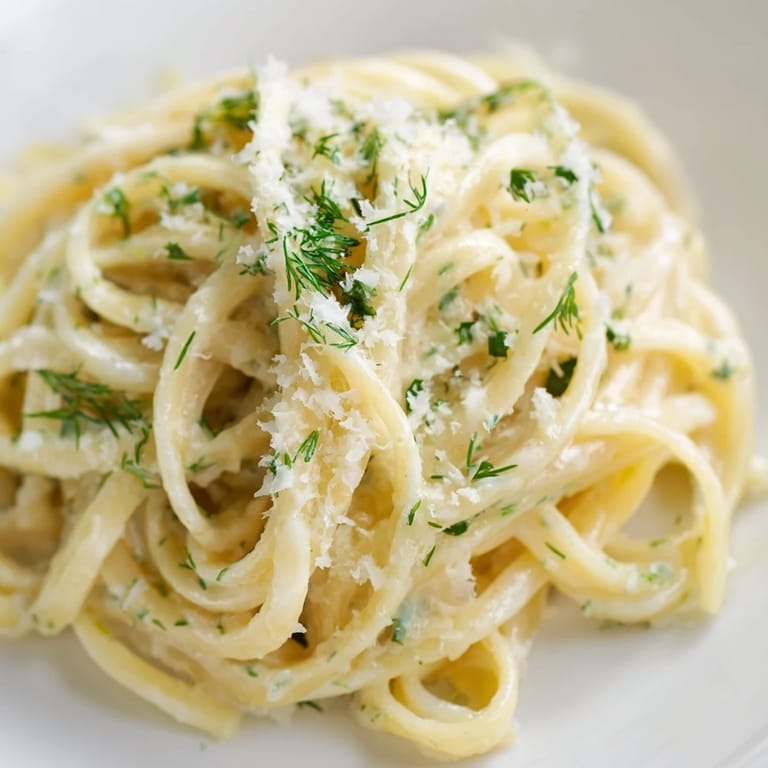
 Make this when you want to feel like you've cooked something real, but you're tired and the clock is ticking. It takes twenty-five minutes and tastes like you've been planning it all day.
Questions & Answers
- → How do I achieve a creamy sauce consistency?
Simmer the cream sauce gently and stir constantly until slightly thickened. Adding reserved pasta water gradually will help reach a silky texture.
- → Can I substitute heavy cream in this dish?
Yes, half-and-half can be used for a lighter texture, though the sauce will be less rich.
- → What pasta types work best?
Fettuccine, linguine, or penne are ideal because their shapes hold the sauce well.
- → How should fresh dill be prepared?
Chop fresh dill finely and stir it in at the end of cooking to preserve its bright flavor.
- → Can I add vegetables to enhance the dish?
Yes, peas are optional and can be stirred in for tenderness; sautéed mushrooms or asparagus also complement the flavors nicely.
- → Is it necessary to salt the pasta water?
Yes, salting the pasta water seasons the noodles from within, enhancing overall flavor.