 Save to Pinterest
 There's something about the way black-eyed peas catch the light when they're simmering in a pan that makes me think of my neighbor's kitchen, where she'd toss them into everything from salads to pasta dishes with the confidence of someone who'd grown up eating them. One afternoon, watching her work, I realized these humble legumes weren't just a Southern staple, they were a bridge to something fresher, brighter, Mediterranean even. This pasta came together one evening when I had a can of black-eyed peas, some cherry tomatoes that needed using, and an urge to prove that comfort food and elegance weren't mutually exclusive. The result felt like a small discovery, a dish that somehow made weeknight cooking feel intentional.
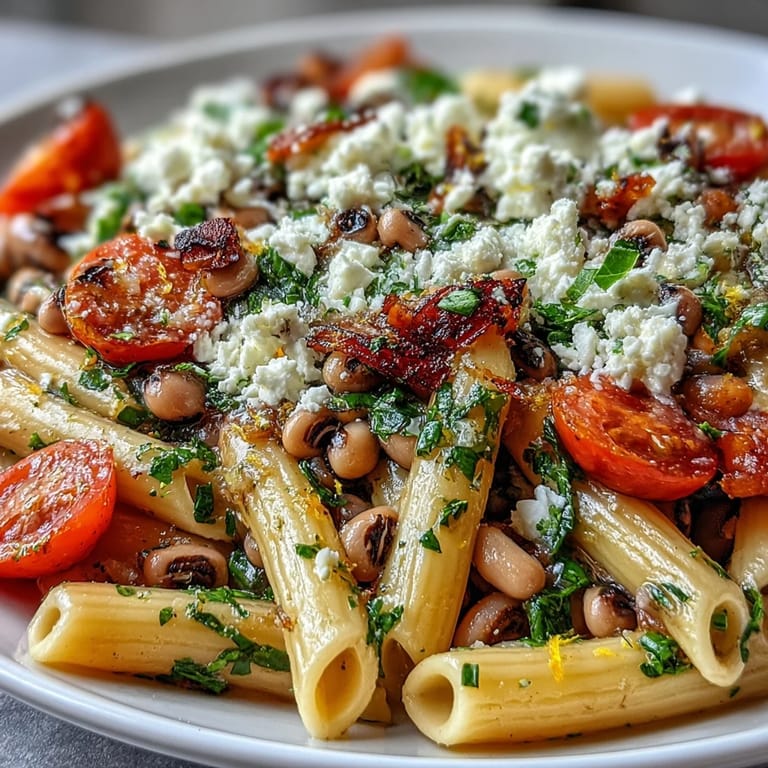
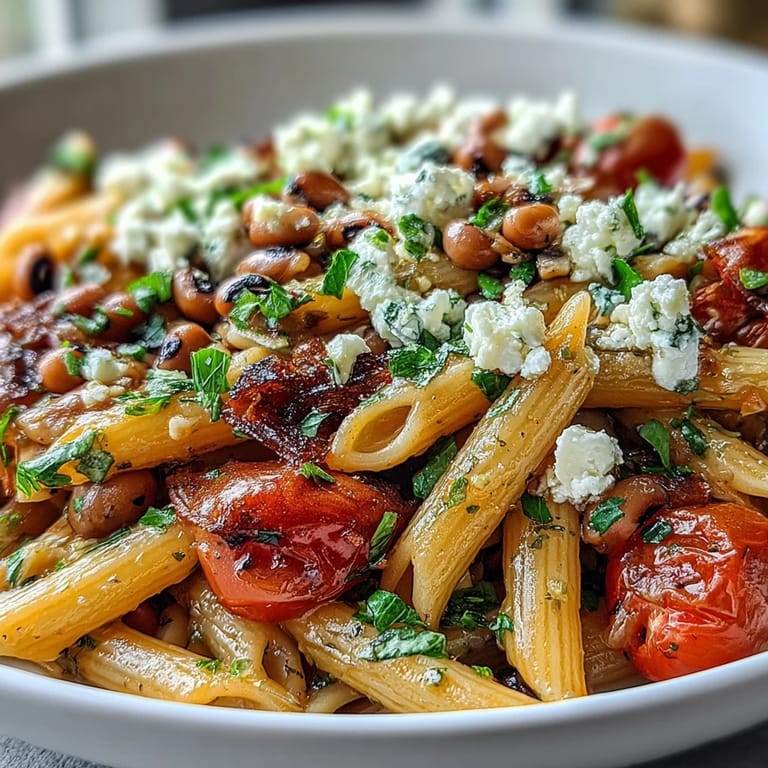
I made this for my sister last summer when she'd just moved into her first apartment, and she kept circling back to the bowl for seconds, which said everything. She asked what made it taste so full when the ingredient list was simple, and I realized it's because nothing's hidden here, nothing's apologizing for itself. The pasta was just pasta, but the way the peas held onto the olive oil and garlic, the way the spinach wilted into the warmth, the brightness of basil and lemon, it all felt intentional and generous at once.
Ingredients
- Short pasta (penne, fusilli, or farfalle), 300 g: Choose a shape with ridges or curves to catch the olive oil and tomato bits, and keep a quarter cup of the starchy cooking water to help everything come together smoothly.
- Black-eyed peas, 1 can (400 g drained): Rinse these thoroughly to remove the canning liquid, which will keep your dish light and prevent it from turning murky.
- Extra-virgin olive oil, 3 tablespoons: This is your foundation, so use something you'd actually taste on bread, not just something to cook with.
- Garlic cloves, 3 finely sliced: Slicing rather than mincing gives you little pockets of garlic flavor instead of it disappearing into the background.
- Red onion, 1 small thinly sliced: The slight sweetness balances the herbs, and the thin slices soften quickly without falling apart.
- Fresh oregano, 1 tablespoon or 1 teaspoon dried: If you're using fresh, add it at the very end so it stays bright, but dried can go in earlier to infuse the oil.
- Fresh parsley and basil, 2 tablespoons each: Keep these separate and scatter them over the finished dish where their freshness matters most.
- Cherry tomatoes, 1 cup halved: Halving them rather than chopping gives you little bursts of flavor and keeps the dish from looking too fine-tuned.
- Baby spinach, 1 cup: It wilts almost on contact, so add it at the very last moment or you'll have cooked greens instead of fresh ones.
- Sea salt and black pepper: Taste as you go because the feta, if you add it, brings its own saltiness.
- Lemon, zest and juice of half: This is the magic trick that makes everything taste like itself, brighter and more alive.
- Feta cheese, 50 g crumbled optional: A small handful is enough, and it adds a sharp note without overwhelming the dish.
Tired of Takeout? 🥡
Get 10 meals you can make faster than delivery arrives. Seriously.
One email. No spam. Unsubscribe anytime.
Instructions
- Boil the pasta until it's almost tender:
- Fill a large pot with salted water and let it come to a rolling boil, the kind where steam rises and the sound gets a little aggressive. Cook your pasta one or two minutes shorter than the package suggests, so it has a slight firmness when you bite into it, and don't forget to set aside that quarter cup of cooking water before you drain.
- Warm the oil and soften the aromatics:
- Heat your olive oil in a large skillet over medium warmth until it shimmers, then add the sliced garlic and red onion, stirring gently for two to three minutes until the edges soften and the kitchen smells like something worth waiting for. The onion should turn translucent and the garlic just barely golden.
- Let the tomatoes release their juice:
- Add your halved cherry tomatoes to the skillet and give them another three to four minutes, stirring occasionally, until they start to collapse and release their sweet liquid into the oil. You're not making sauce, just coaxing the tomatoes to give you their best.
- Bring in the black-eyed peas:
- Stir in the rinsed black-eyed peas along with the oregano, salt, pepper, and a pinch of red pepper flakes if you like a whisper of heat. Toss everything for about two minutes so the peas warm through and start to take on the flavor of the oil and herbs.
- Combine pasta with the pan:
- Pour your drained pasta into the skillet along with that reserved pasta water, stirring everything together so the starch helps bind the flavors. The whole thing should feel loose and saucey, not dry.
- Wilt the spinach gently:
- Add the spinach and stir just until it surrenders to the heat, about a minute, so it stays bright green rather than turning dark and tired. Don't overthink this step.
- Finish with brightness and herbs:
- Remove everything from heat, then stir in the lemon zest, lemon juice, fresh parsley, and fresh basil so they keep their color and snap. Taste and adjust the salt and pepper, remembering that feta will add its own saltiness if you're using it.
- Serve with intention:
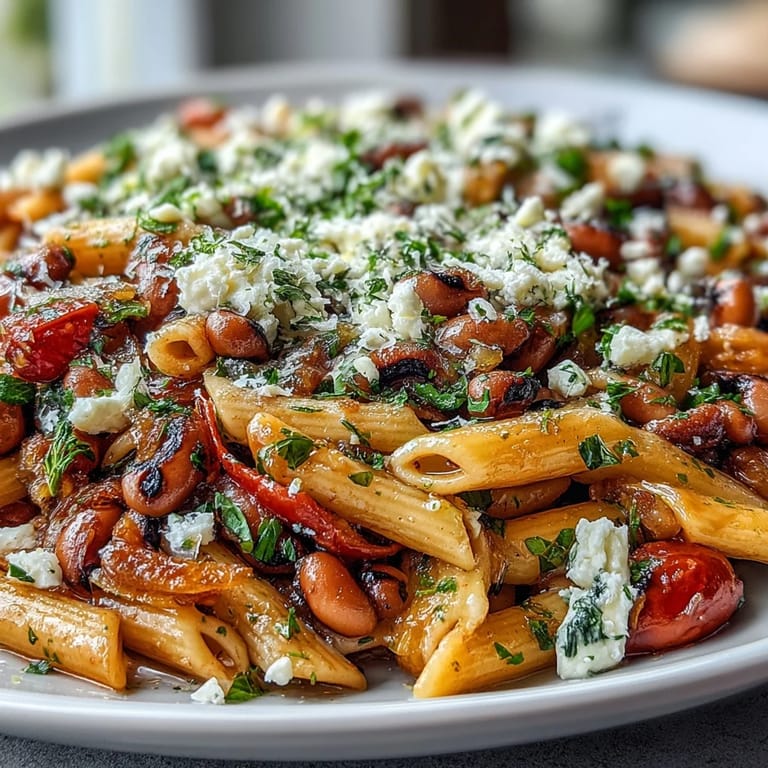
- Divide the pasta among bowls, top with crumbled feta if you're using it, and bring it to the table while it's still warm and the herbs are still practically vibrating with freshness.
 Save to Pinterest
 My dad took one bite and declared it had the spirit of something he'd eaten at a restaurant in Rome, which made me laugh because we made it in twenty minutes on a Tuesday night with ingredients from the regular grocery store. But that's the thing about this dish, it has dignity without pretense, and somehow that matters more than fancy.
Why Black-Eyed Peas Are Quietly Brilliant
Black-eyed peas have a creamy center and a slight earthiness that makes them feel more substantial than lighter beans, so they anchor a dish without weighing it down. They also absorb flavors gracefully, which means in this pasta they're not fighting for attention but rather helping the garlic and lemon shine brighter. I started using them more often after realizing they're the kind of ingredient that feels humble until you pay attention, and then you wonder why you don't cook with them every week.
The Lemon Is Everything
There's a moment near the end where you squeeze fresh lemon juice over the warm pasta and suddenly everything that was good becomes unforgettable. The acid doesn't overpower, it clarifies, like putting on glasses and realizing you could see all along but just needed help. I learned this from watching a cook add lemon to nearly everything she made, and once you understand that trick, you start seeing it everywhere, in soups and salads and suddenly pasta dishes taste like they were always meant to have been this way.
Making It Your Own
This recipe is sturdy enough to take direction from whatever you have on hand, which is partly why it became a regular visitor to my weeknight table. Some evenings I've added a handful of roasted red peppers or swapped the spinach for arugula, and it's asked for nothing but gracious acceptance of the changes. The base is solid enough to trust.
- If you want protein, a grilled chicken breast or some shrimp turns this into something that feels like dinner instead of a side dish.
- Omit the feta entirely or swap it for a sharp cheese like pecorino if you want something with more personality.
- Roasted vegetables like zucchini or bell peppers can replace some of the tomatoes if that's what needs using before it goes soft in your refrigerator.
 Save to Pinterest
 This pasta has become one of those dishes I make without thinking, the kind that doesn't feel like cooking because it feels like coming home. It's proof that simple ingredients treated with attention and a little olive oil can taste like something you traveled somewhere to eat.
Questions & Answers
- → Can I use dried black-eyed peas instead of canned?
Yes, you can use dried black-eyed peas. Soak them overnight, then cook until tender before adding to the pasta. This will extend your total preparation time significantly compared to using canned peas.
- → What pasta shapes work best for this dish?
Short pasta shapes like penne, fusilli, or farfalle are ideal as they catch the legumes and vegetables well. The curves and ridges help hold the olive oil-based sauce, ensuring each bite is flavorful.
- → How can I make this dish protein-rich?
The black-eyed peas already provide 13g of protein per serving. For additional protein, consider adding grilled chicken, shrimp, or serving with a side of white beans. The feta cheese also contributes extra protein if included.
- → Is this dish suitable for meal prep?
Absolutely! This pasta keeps well in the refrigerator for 3-4 days. Store the feta separately and add just before serving to maintain texture. The flavors often develop and improve after resting overnight.
- → Can I make this gluten-free?
Yes, simply substitute the regular pasta with certified gluten-free pasta. All other ingredients are naturally gluten-free, making this an easy adaptation for those avoiding wheat.
- → What can I substitute for feta cheese?
For a vegan version, omit the feta entirely or use plant-based feta alternatives. You could also add nutritional yeast for a cheesy flavor, or extra olives and capers for that Mediterranean tanginess.